Giskard Mascot
3D Character Design & Look Development
Project Overview
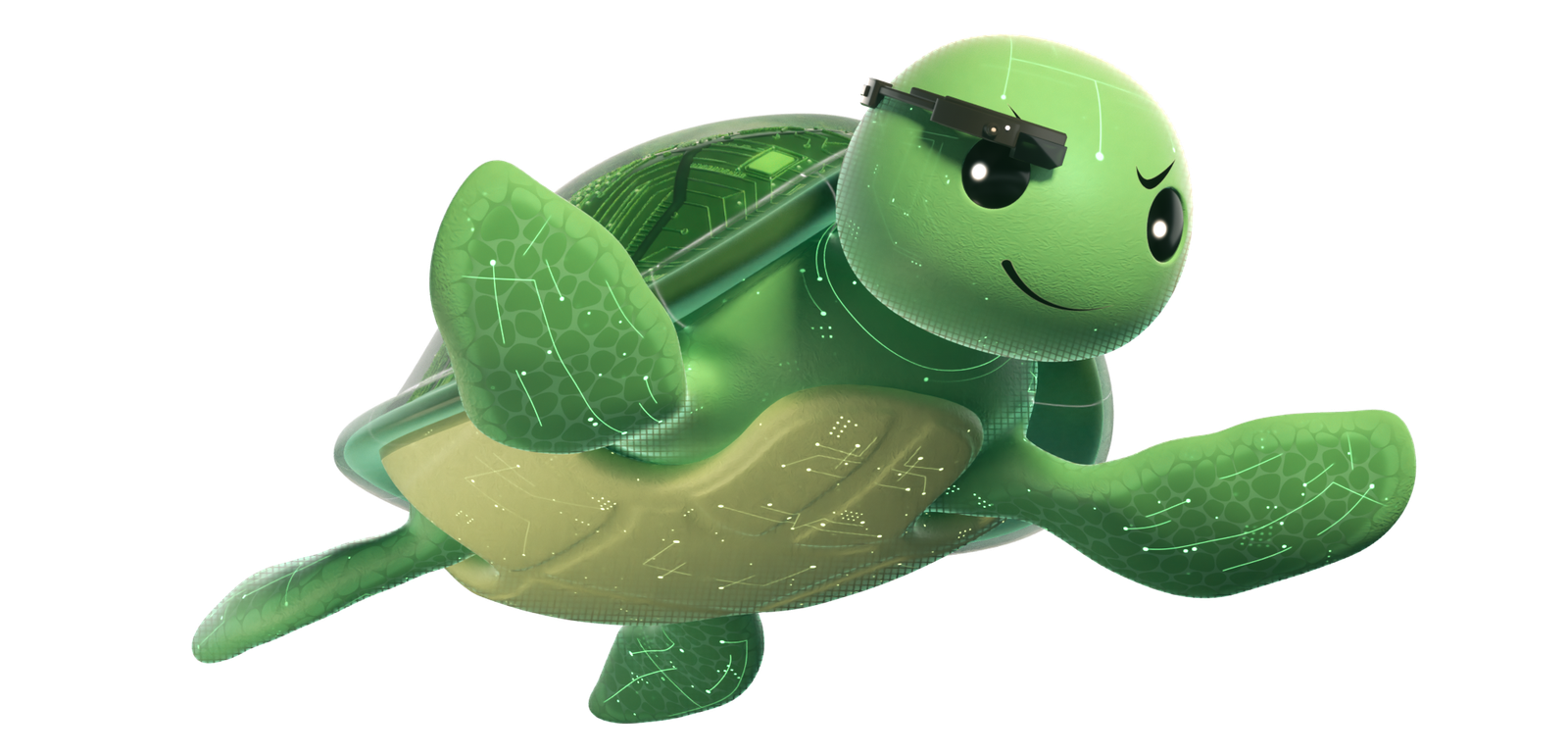
Giskard Mascot is a custom 3D character designed to represent a tech-oriented brand in a friendly and approachable way.
The goal was to create a flexible mascot that could be used across branding, presentations, merch, and future visual content.
Below you can see the Giscard website:

Concept & Direction
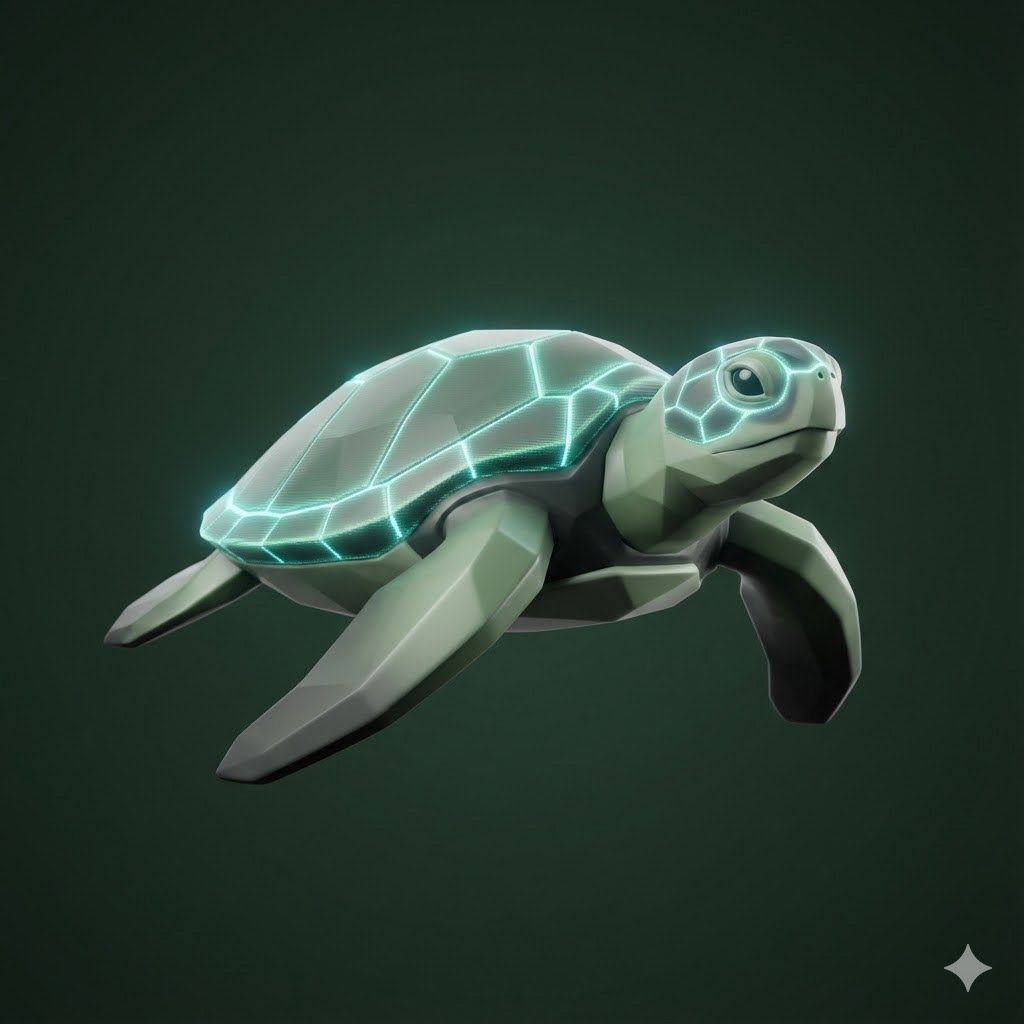
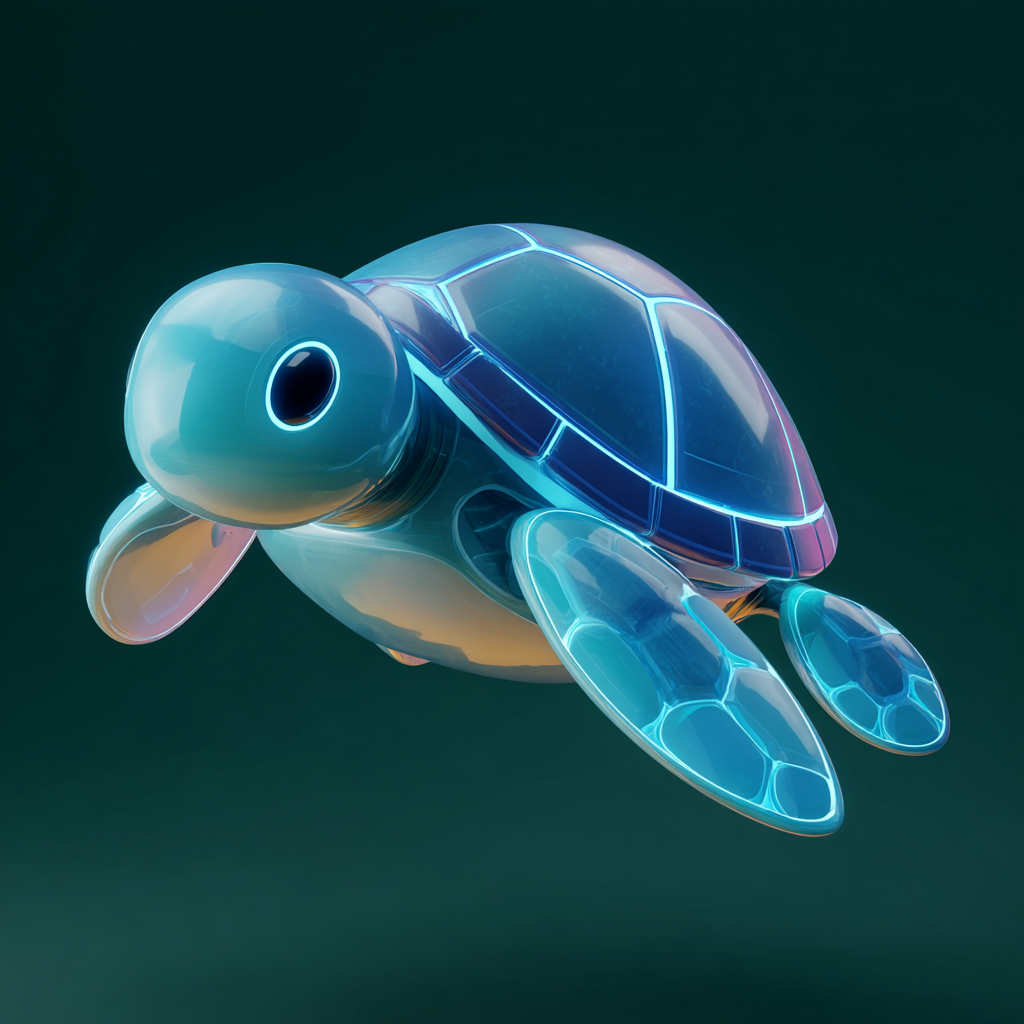
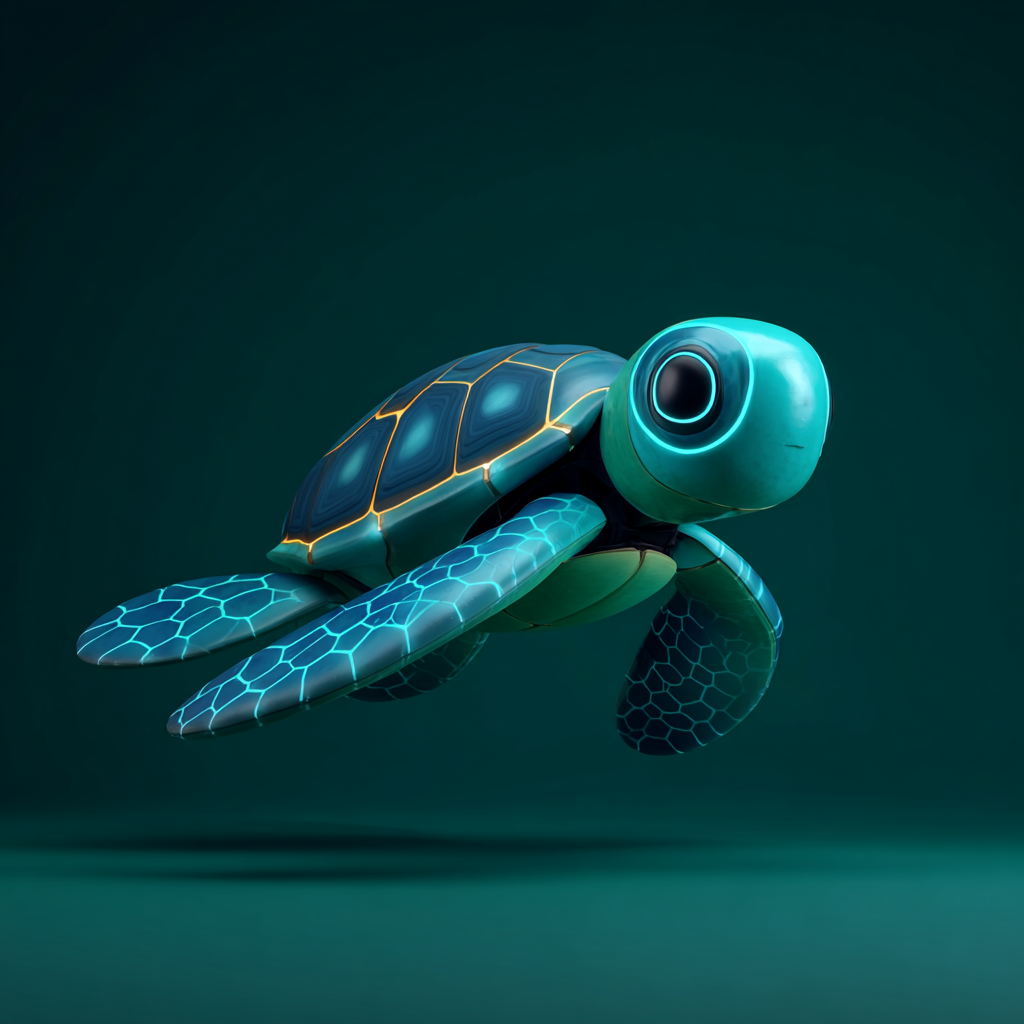
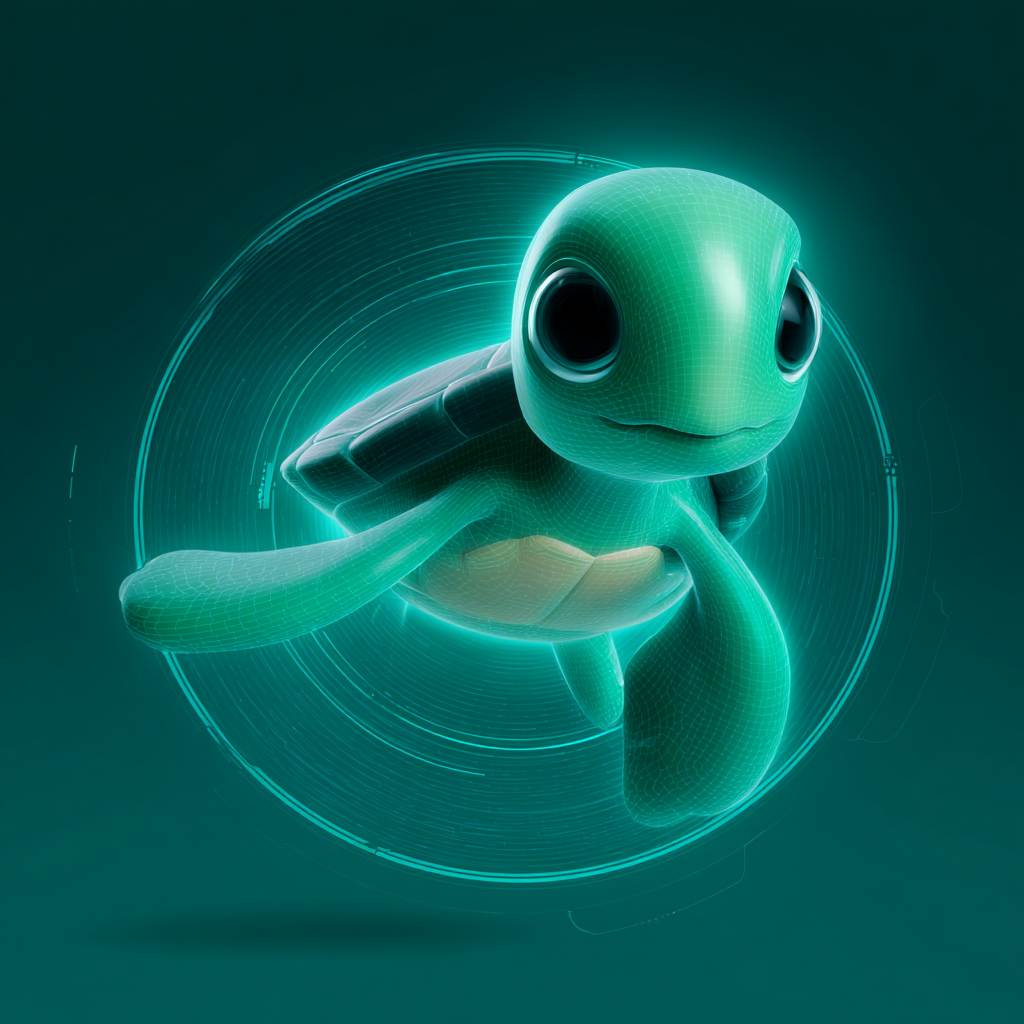
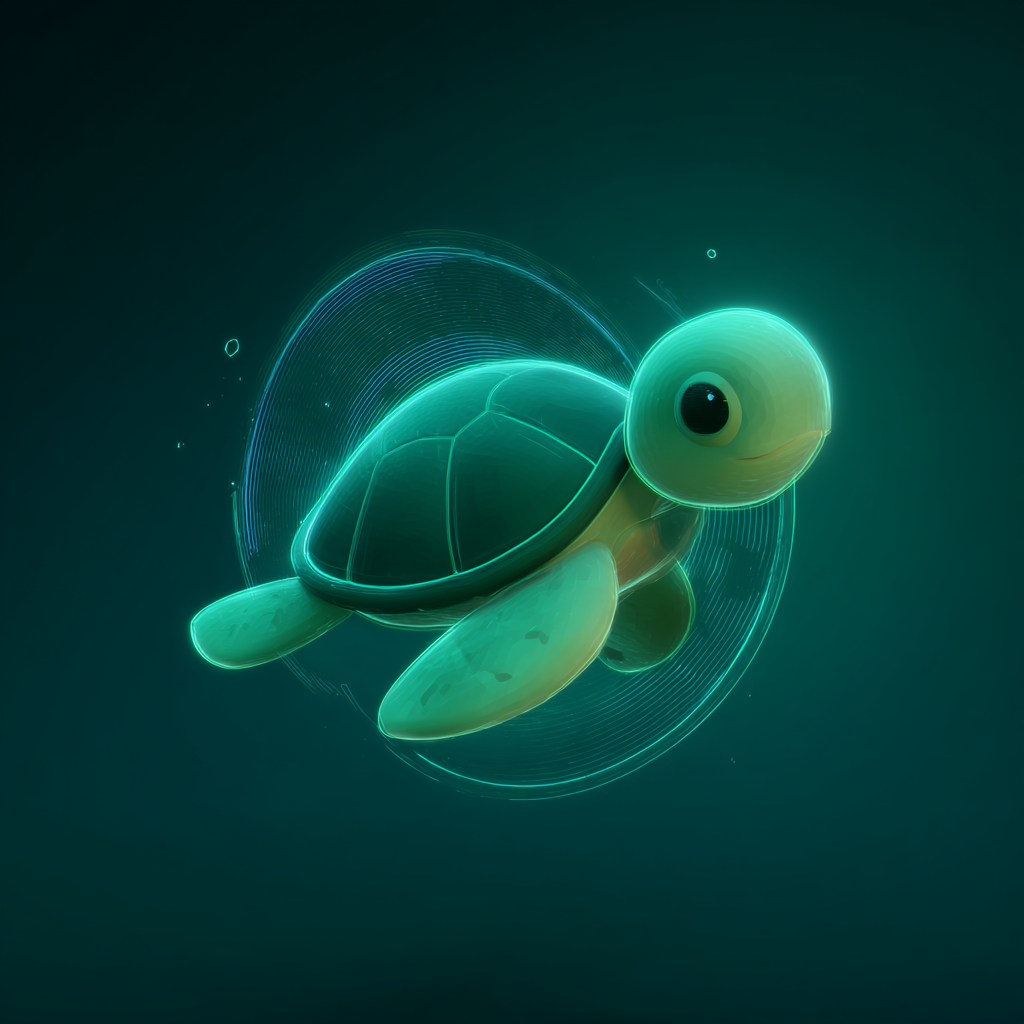
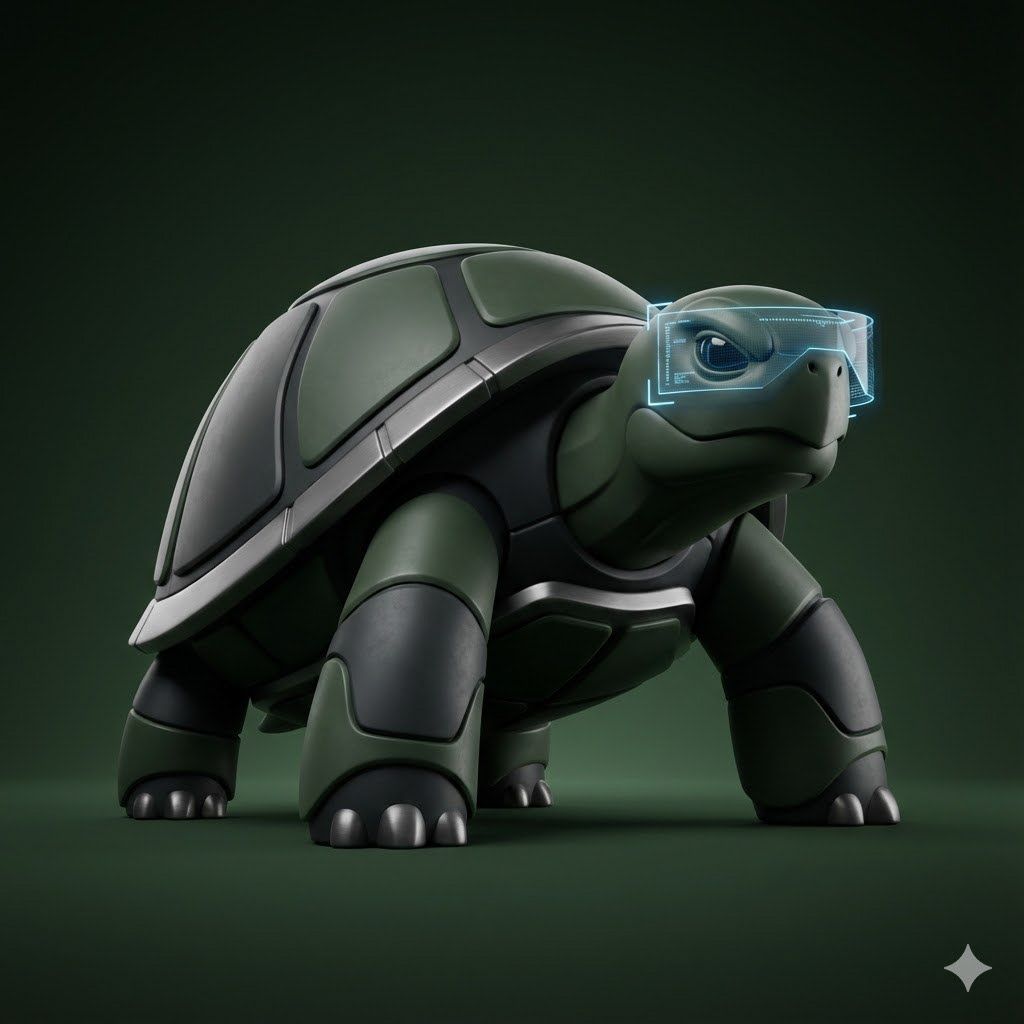
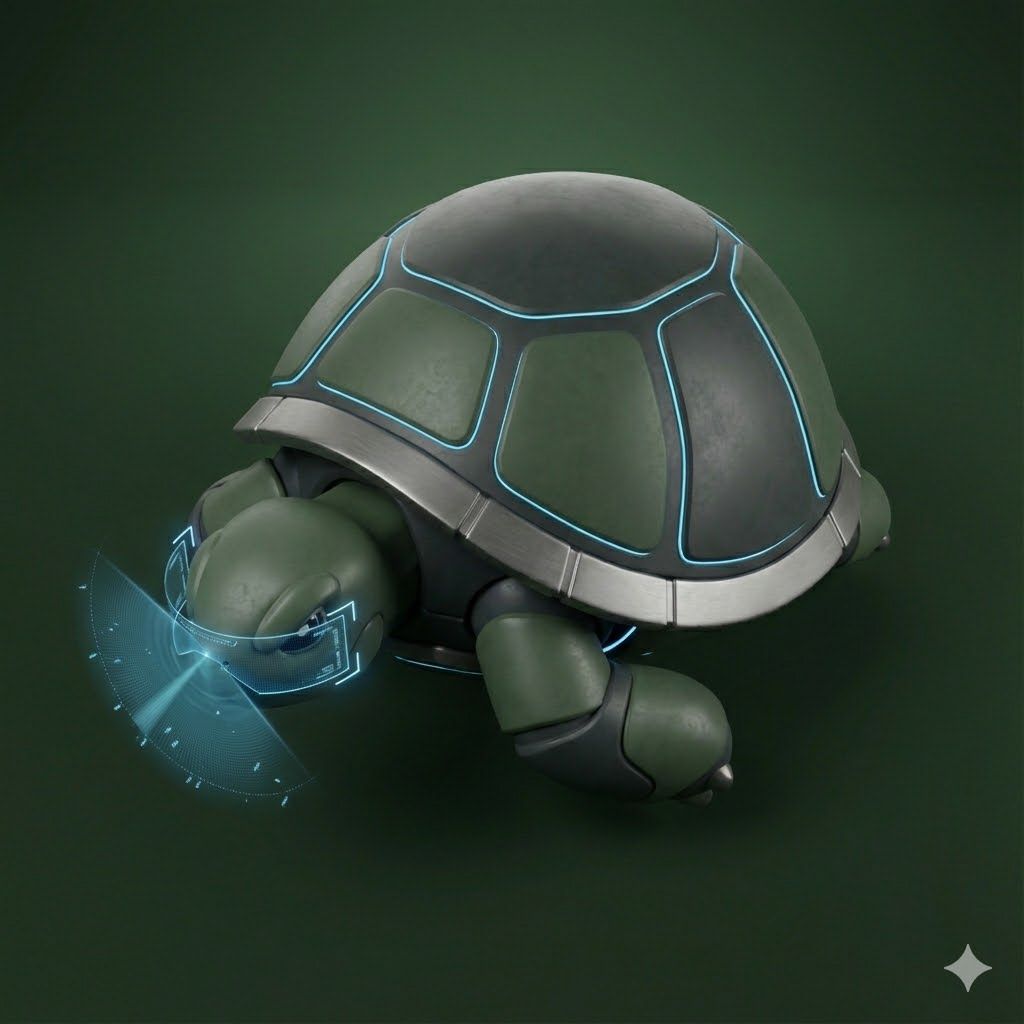
To establish the character’s visual direction, I developed two mascot concept options, each exploring a different stylistic and emotional approach.
Option 1
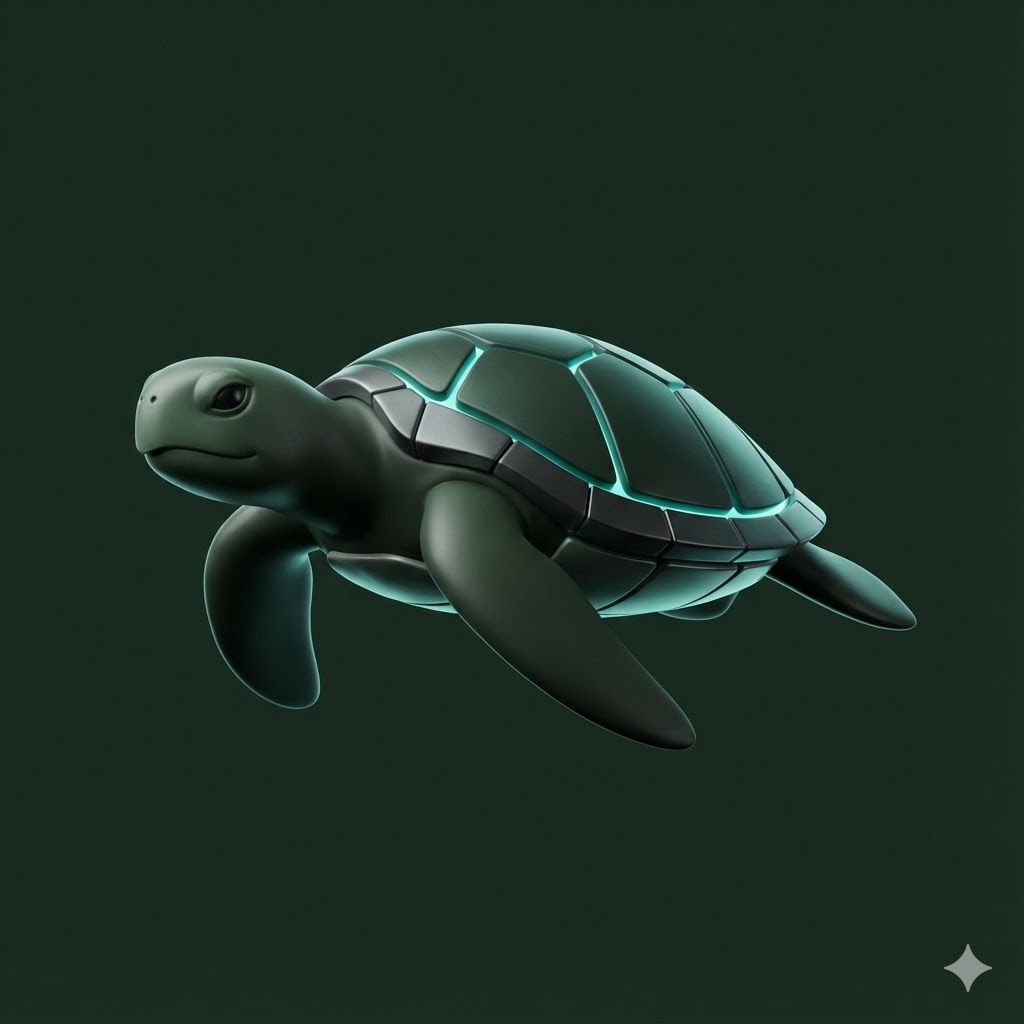
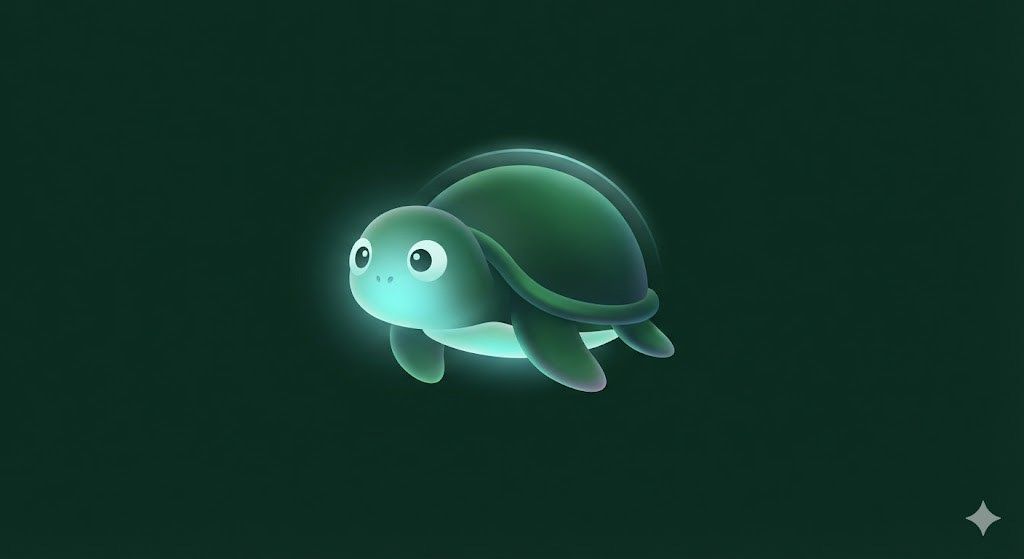
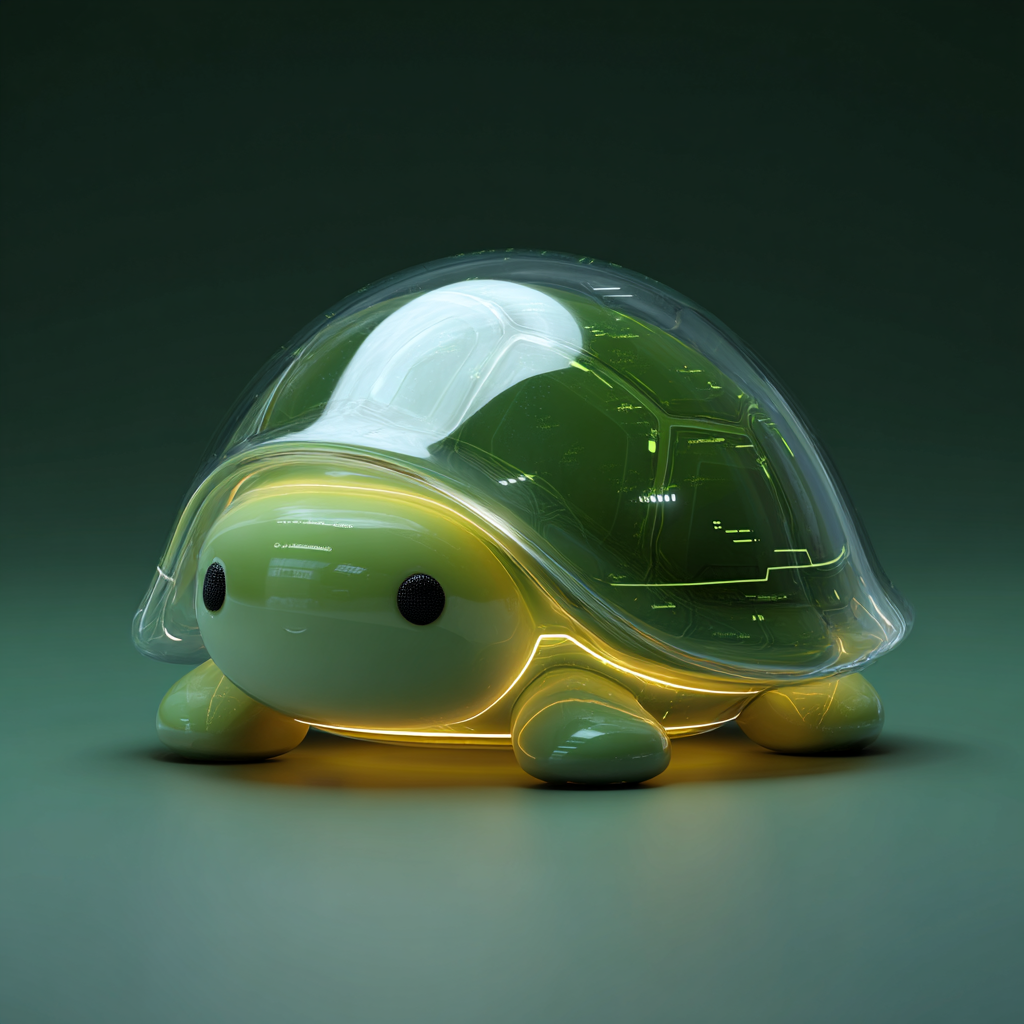
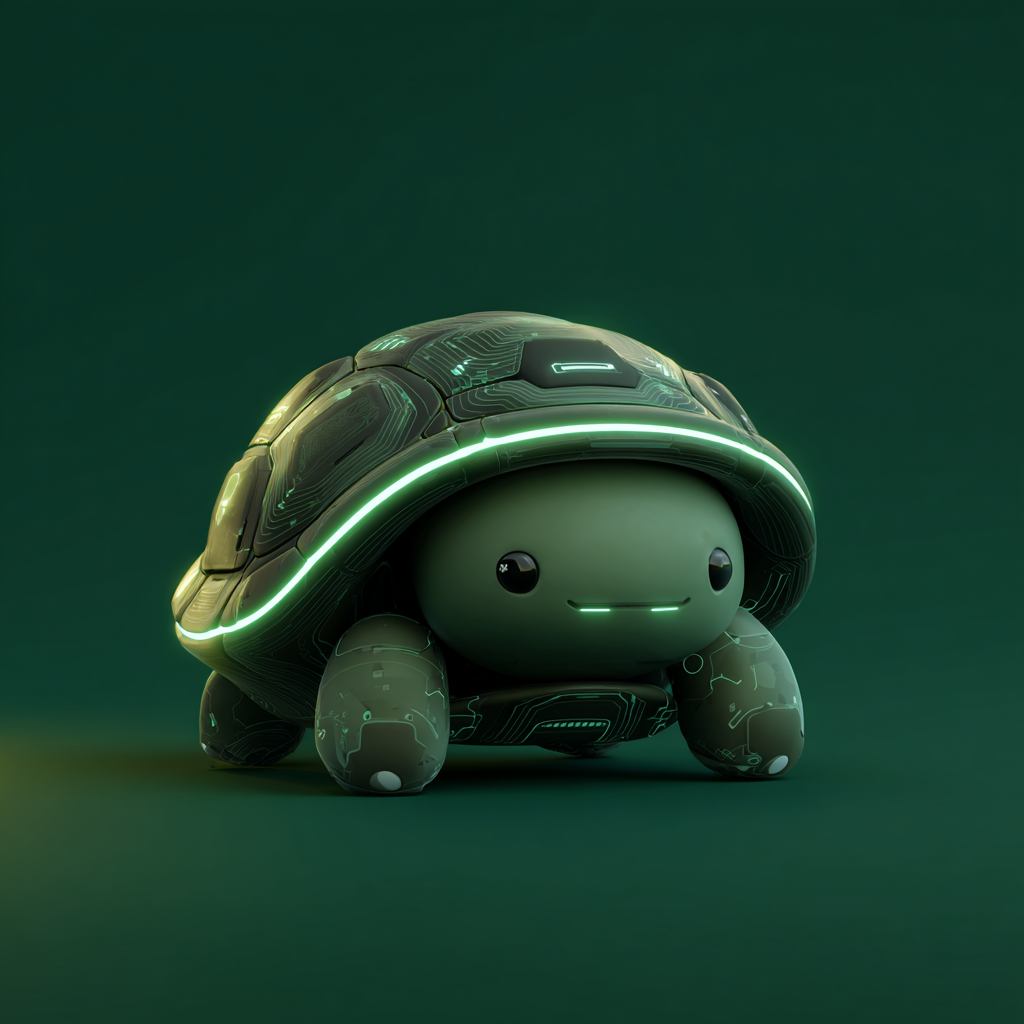
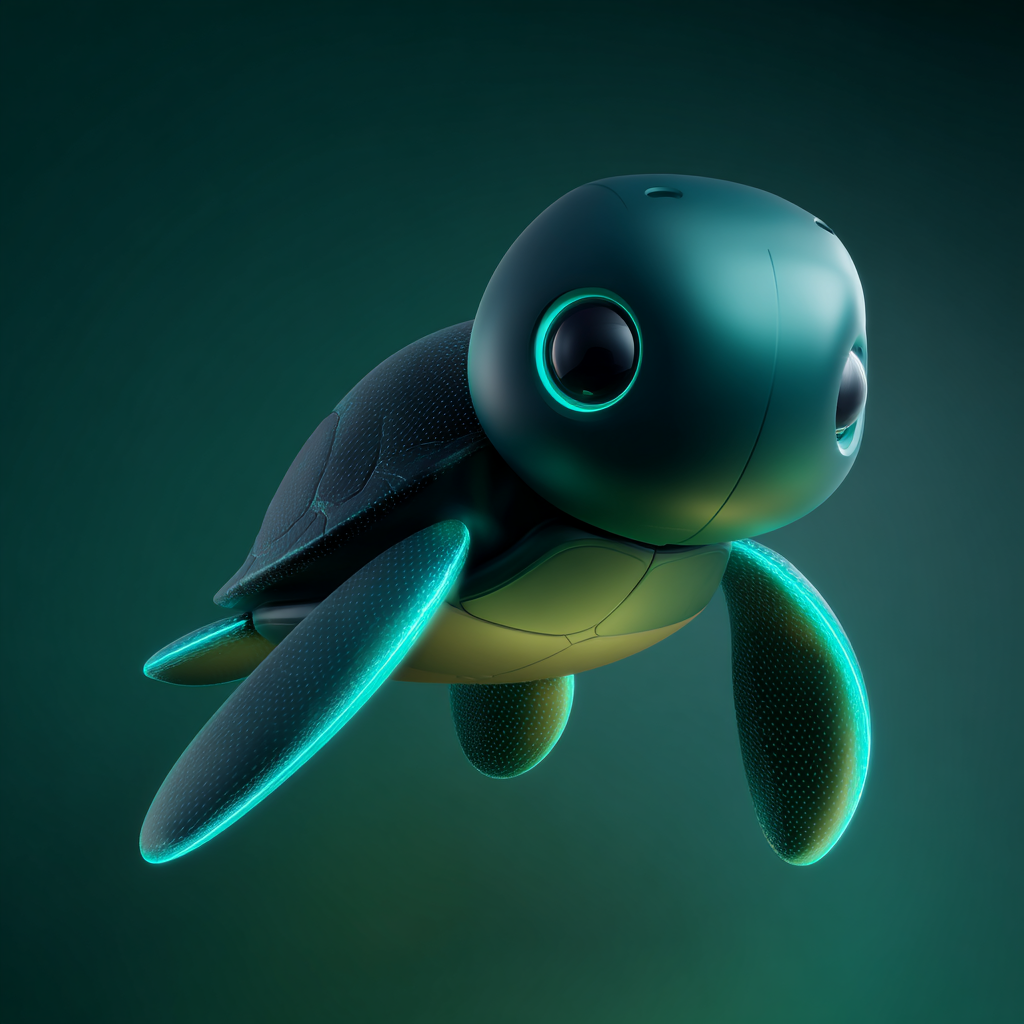
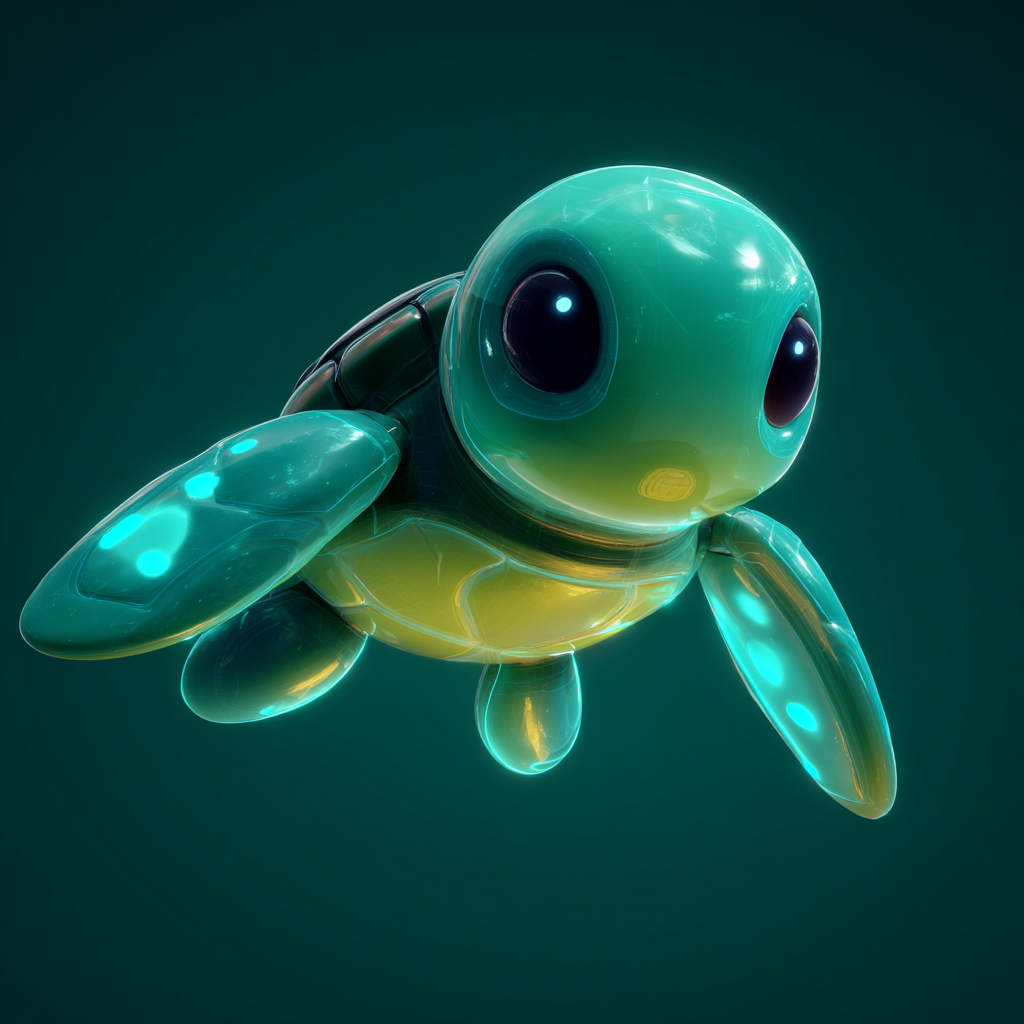
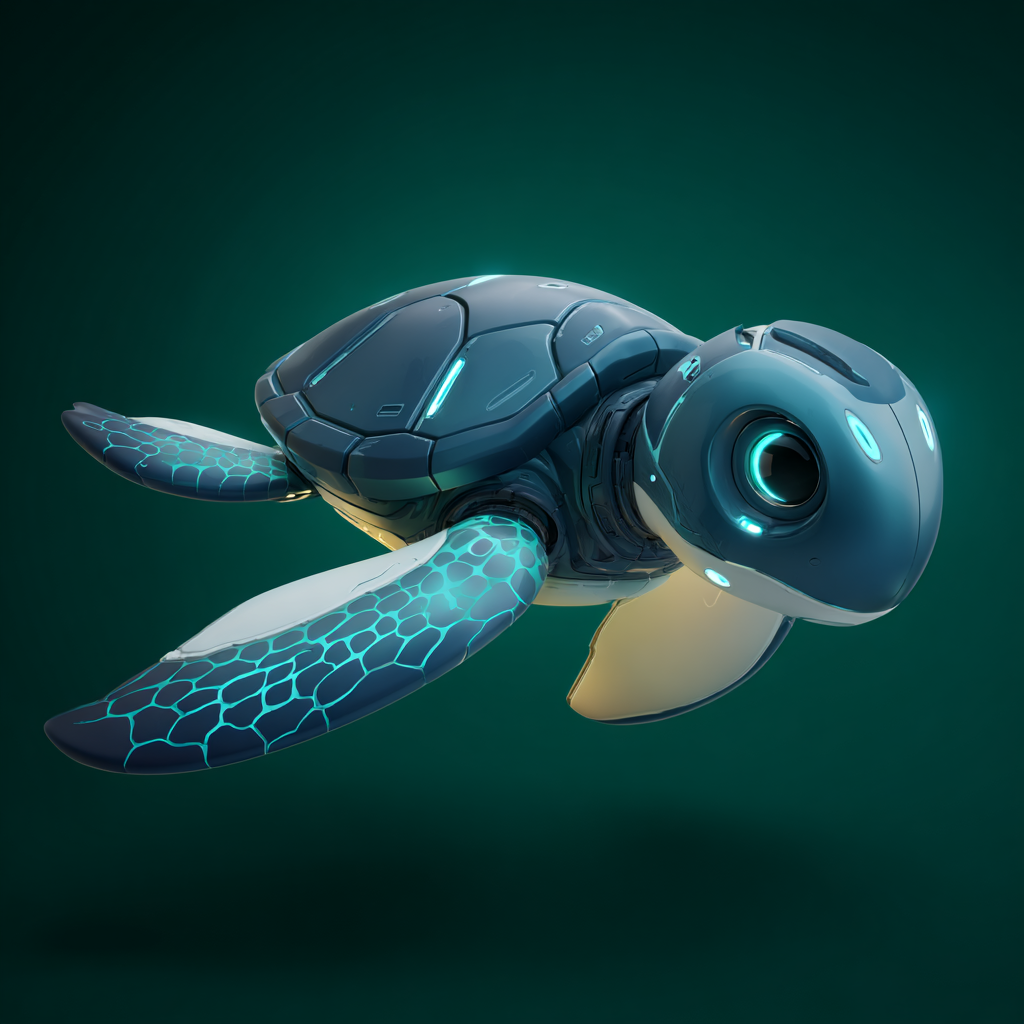
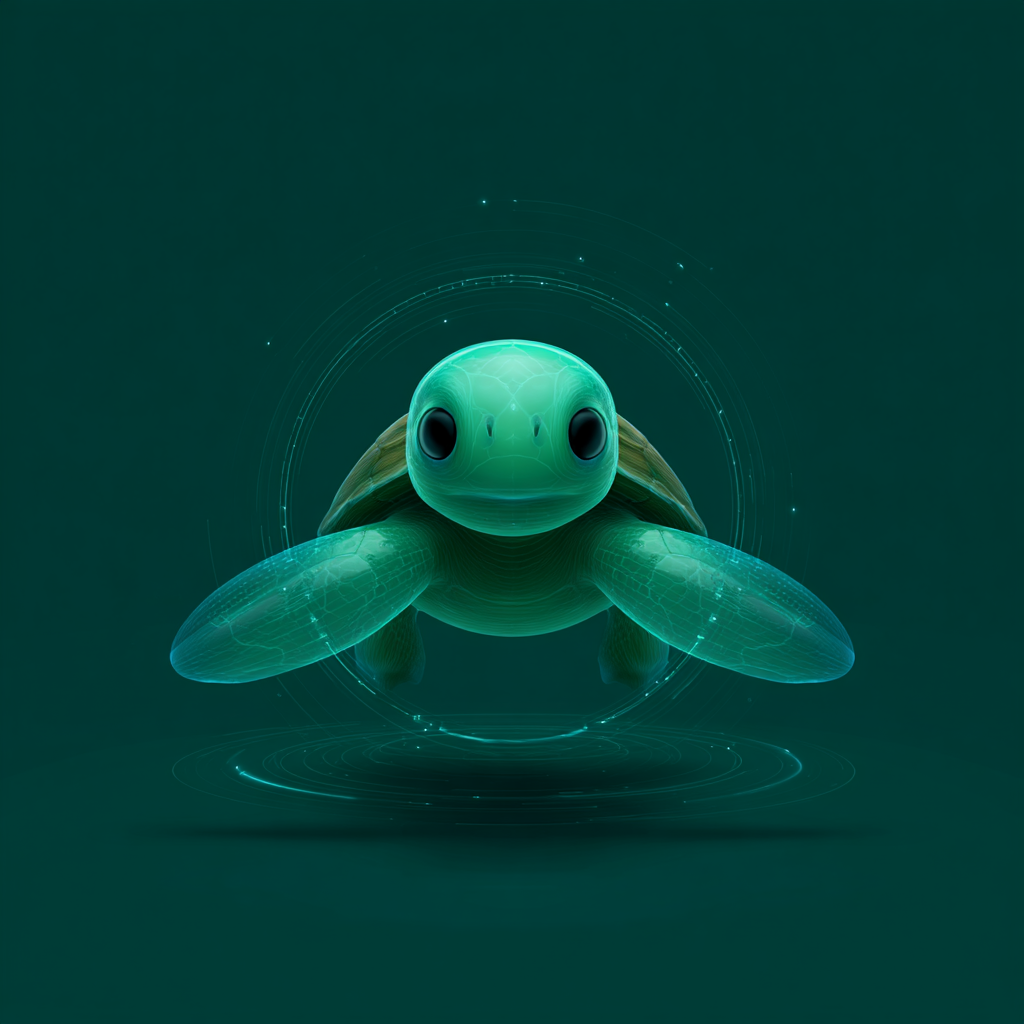
Option 2
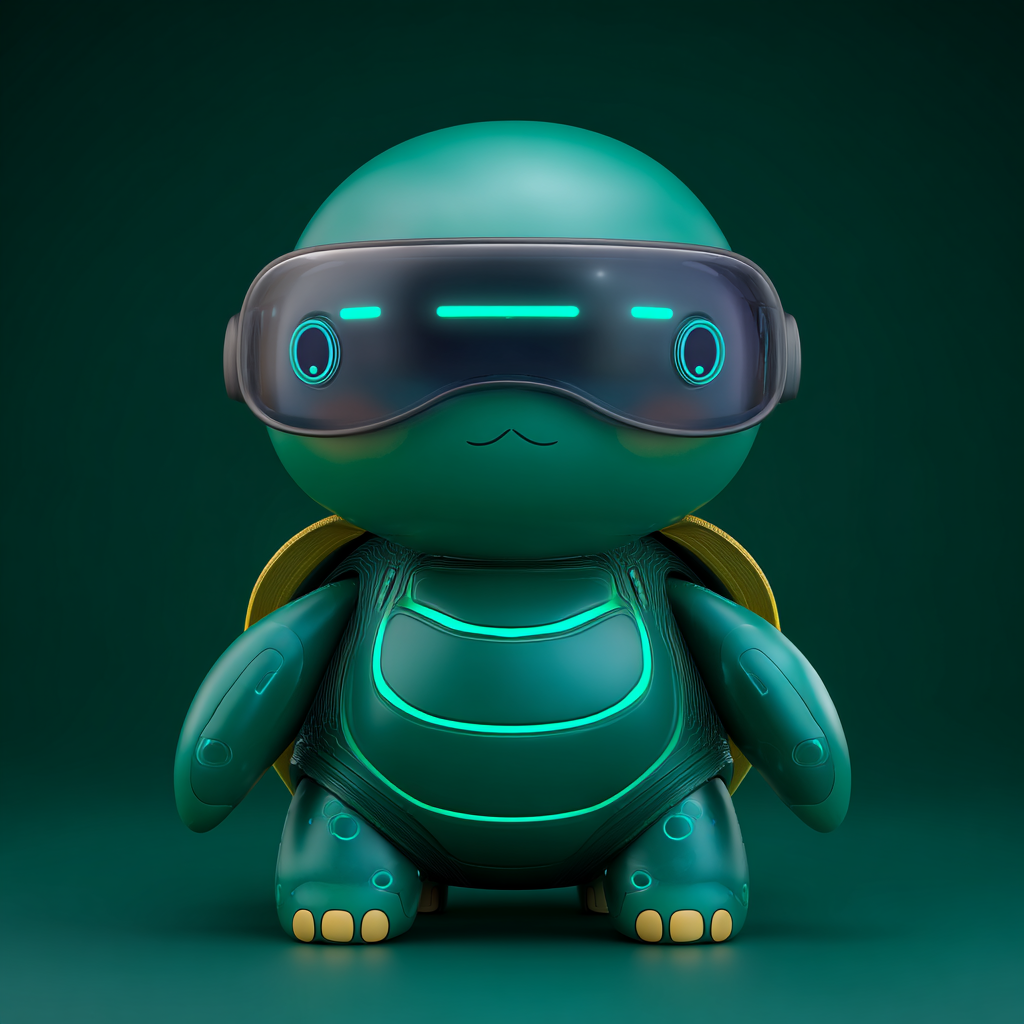
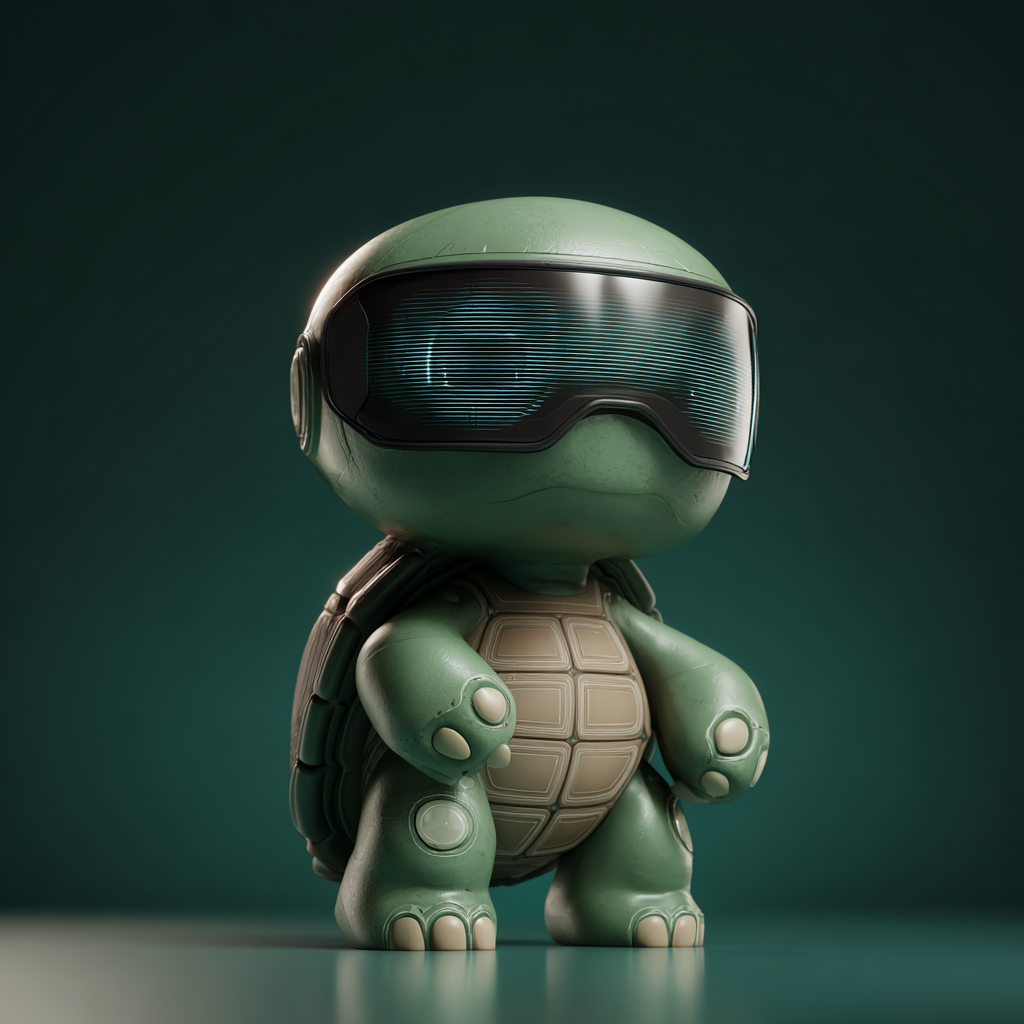
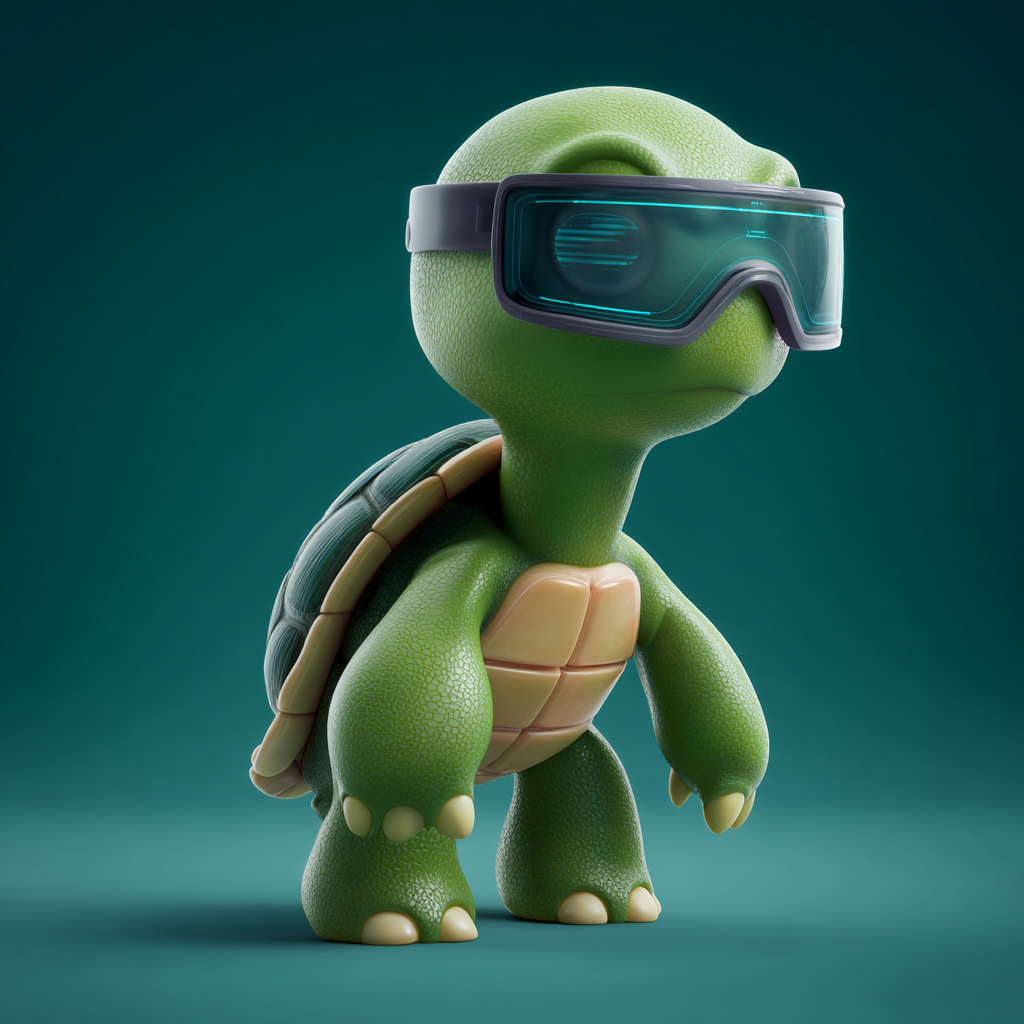
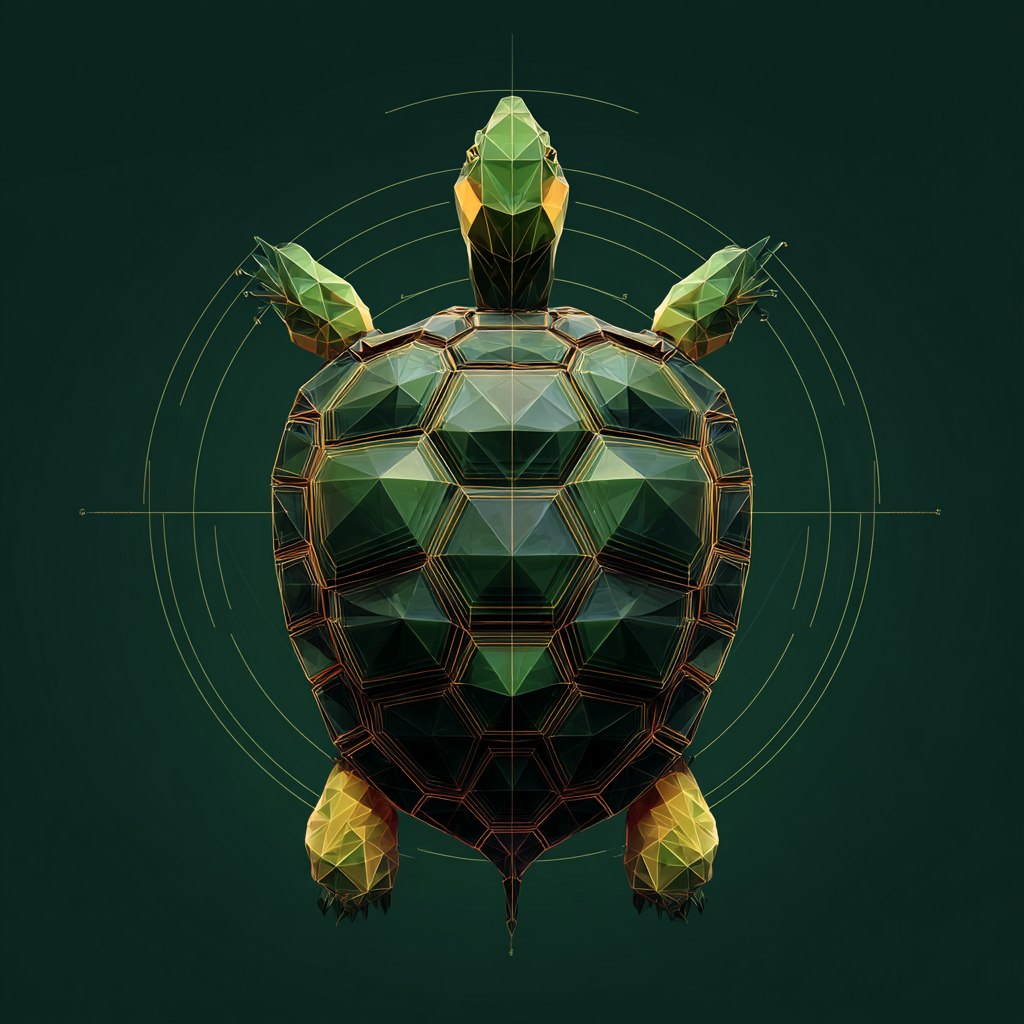
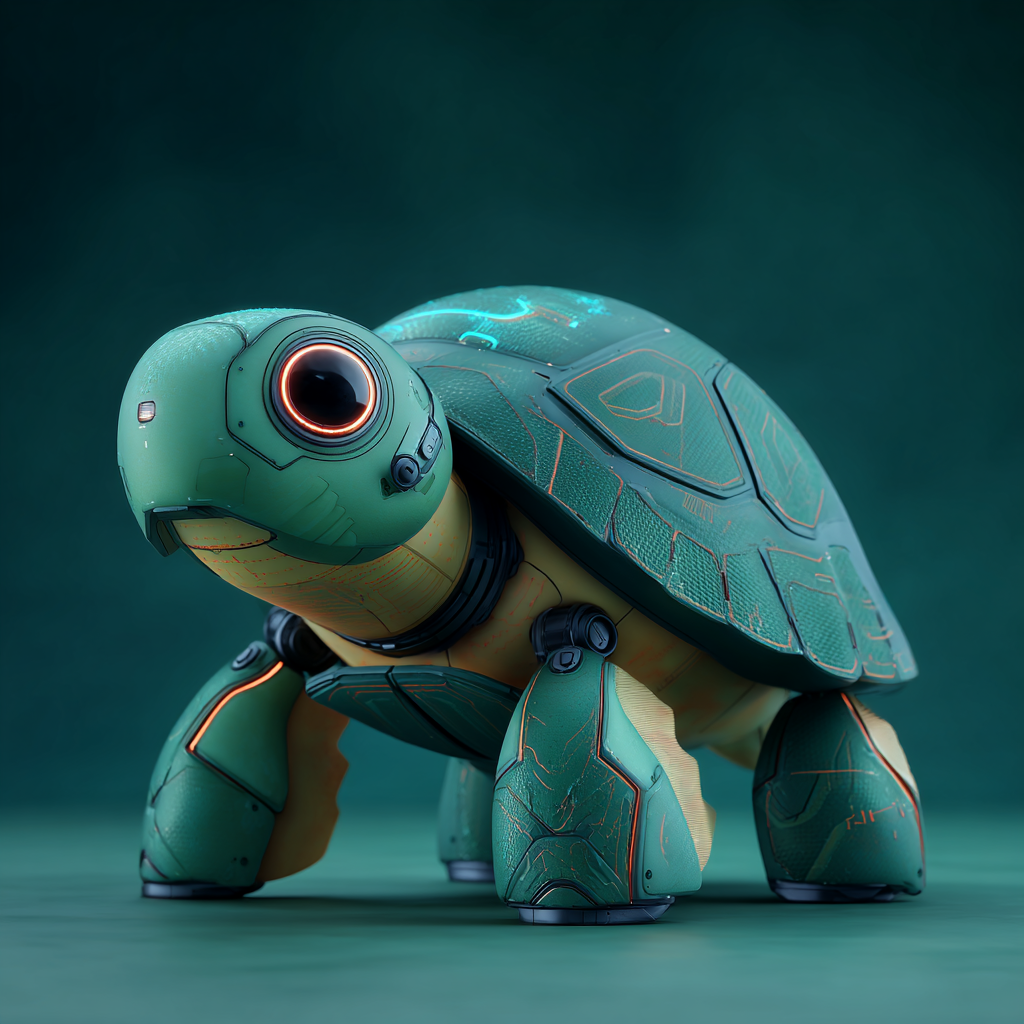
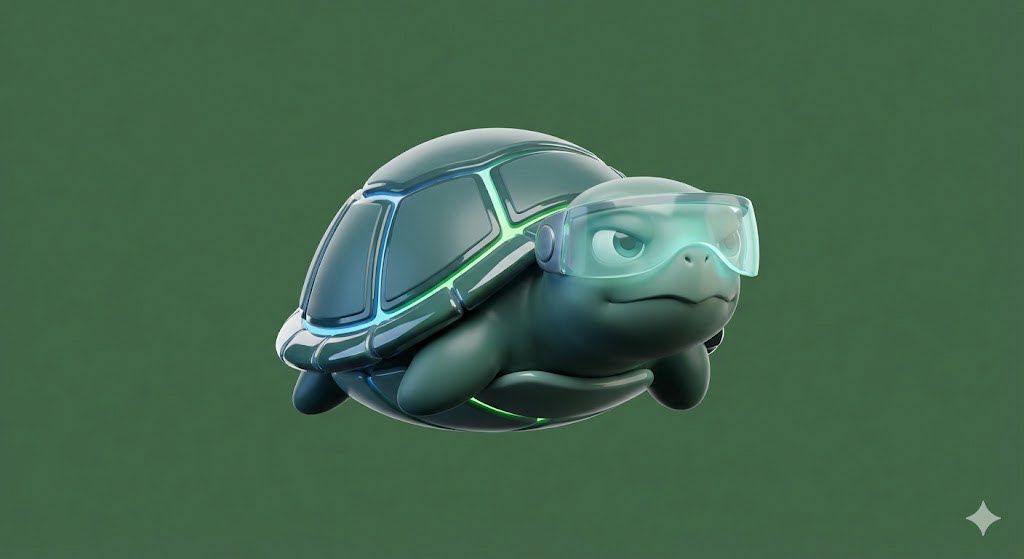
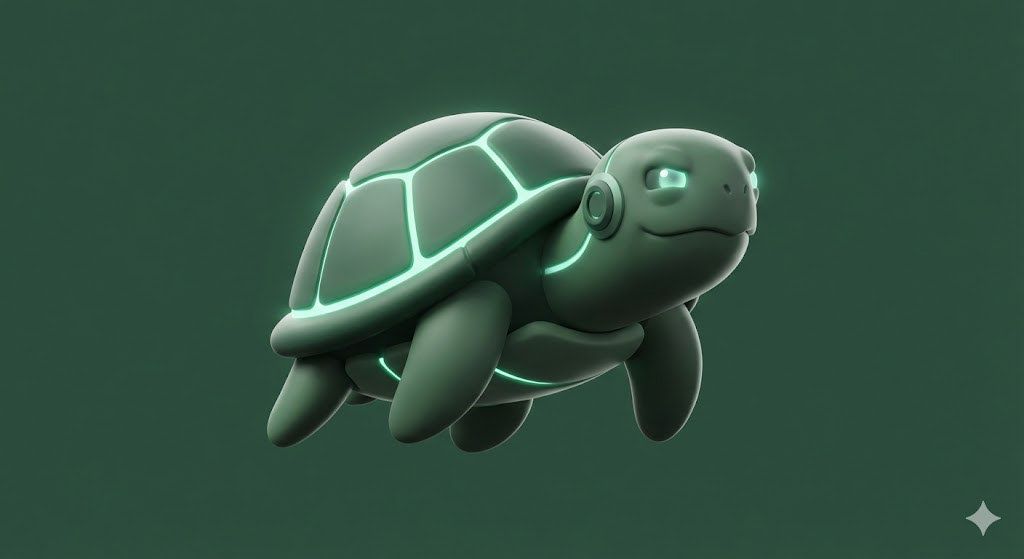
After all the iterations, the customer chose the following mascot design direction:

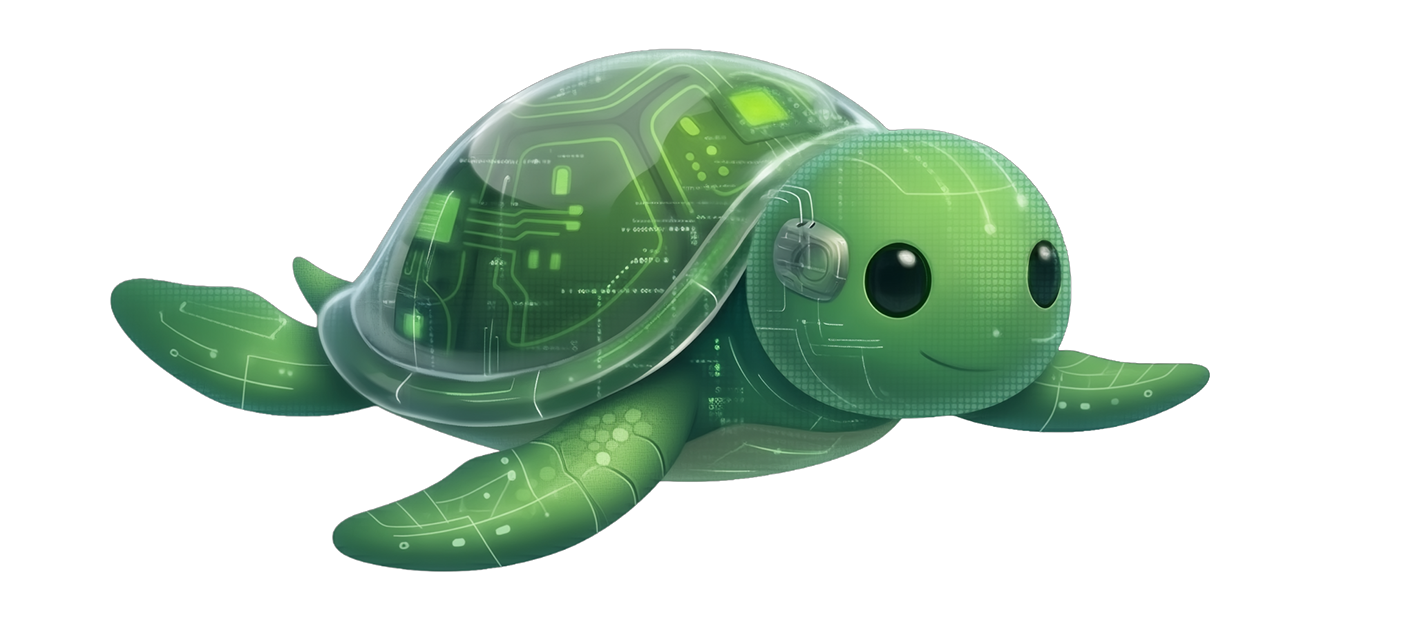
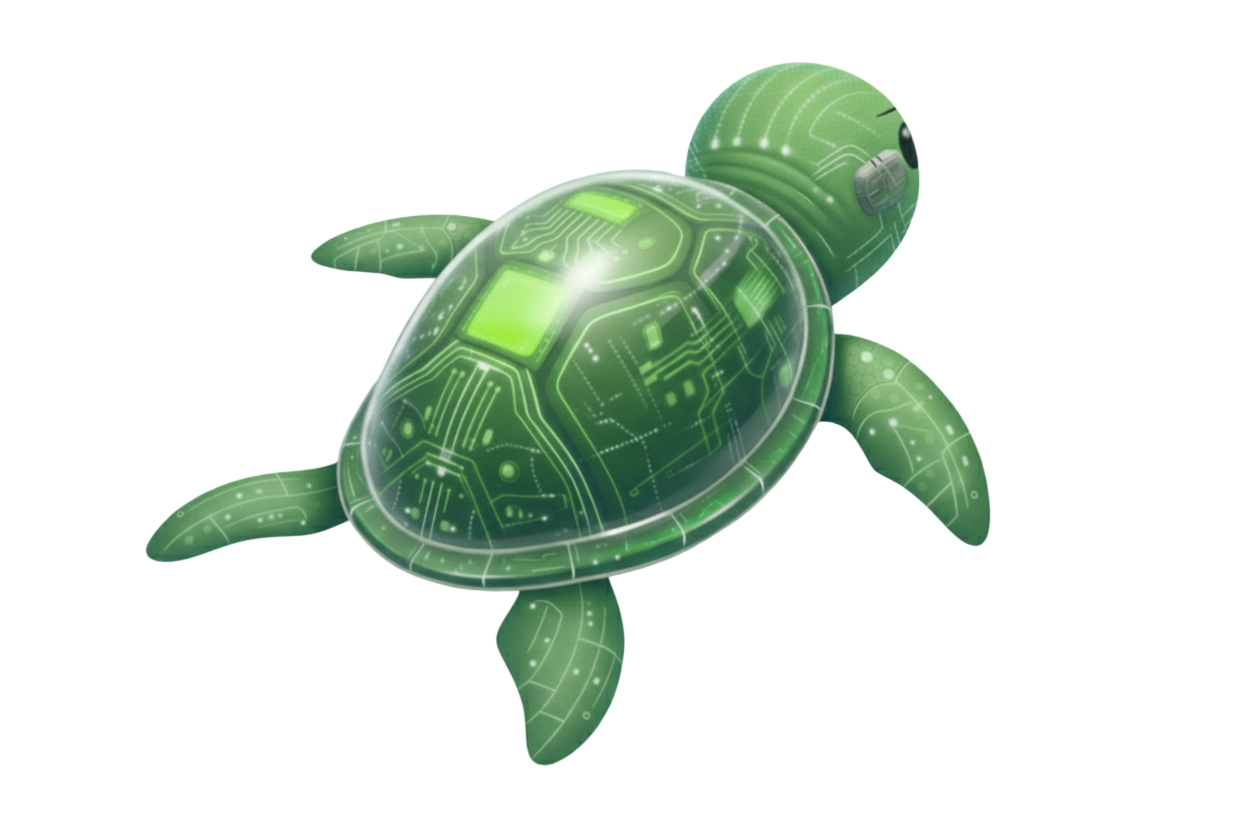
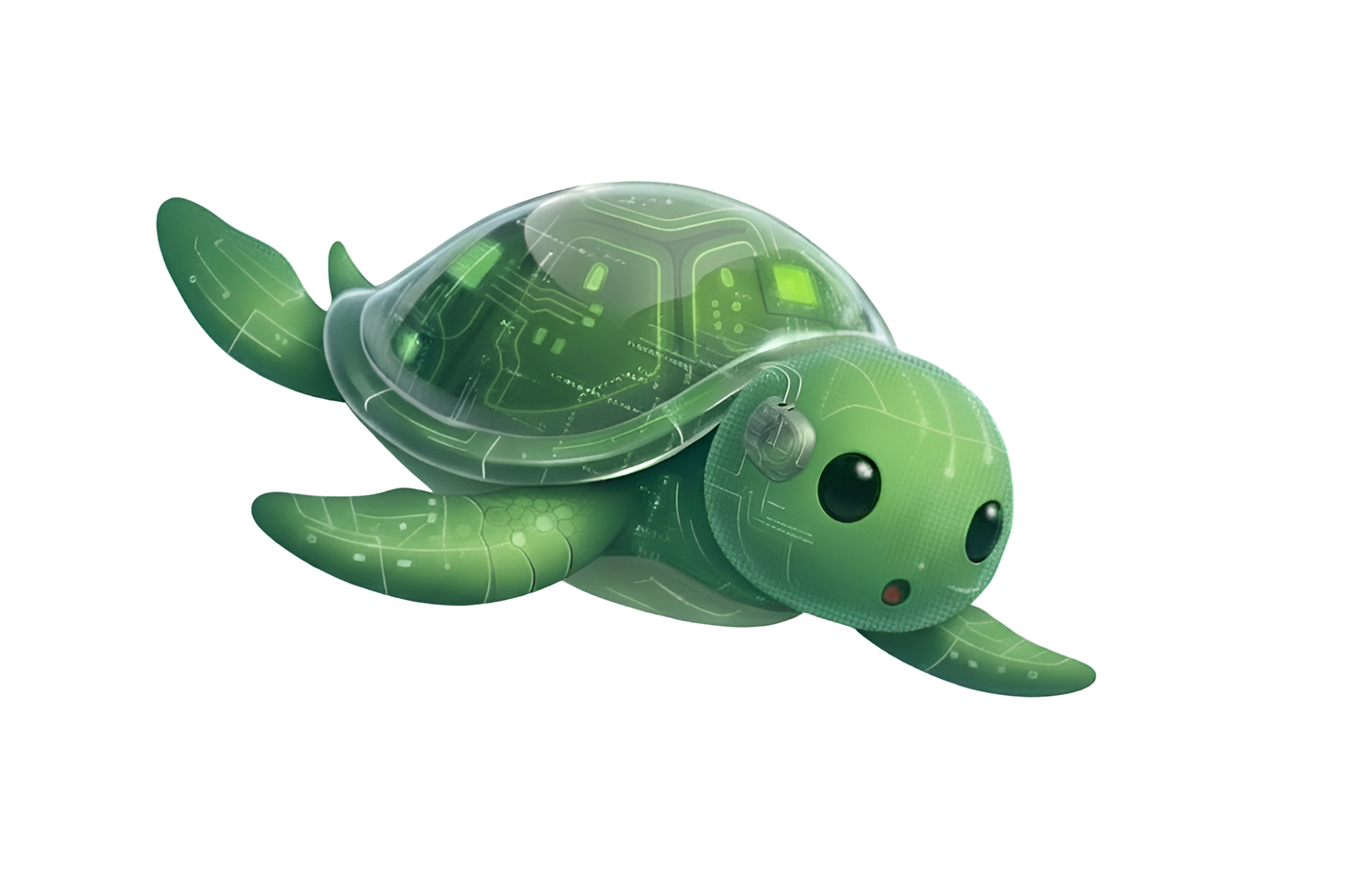
The character is based on a turtle silhouette to convey stability, reliability, and intelligence.
The visual direction balances a soft, friendly shape language with subtle technological details to reflect the brand’s focus on AI and security.
The mascot needed to feel expressive and alive while remaining simple enough for wide usage across different formats.
Modeling Process
I started the modeling process by creating a 3D mesh using the AI tool tripo3d.ai. This tool beautifully creates a symmetrical shape from a reference image, which can be used later as a guide mesh for modeling from scratch.
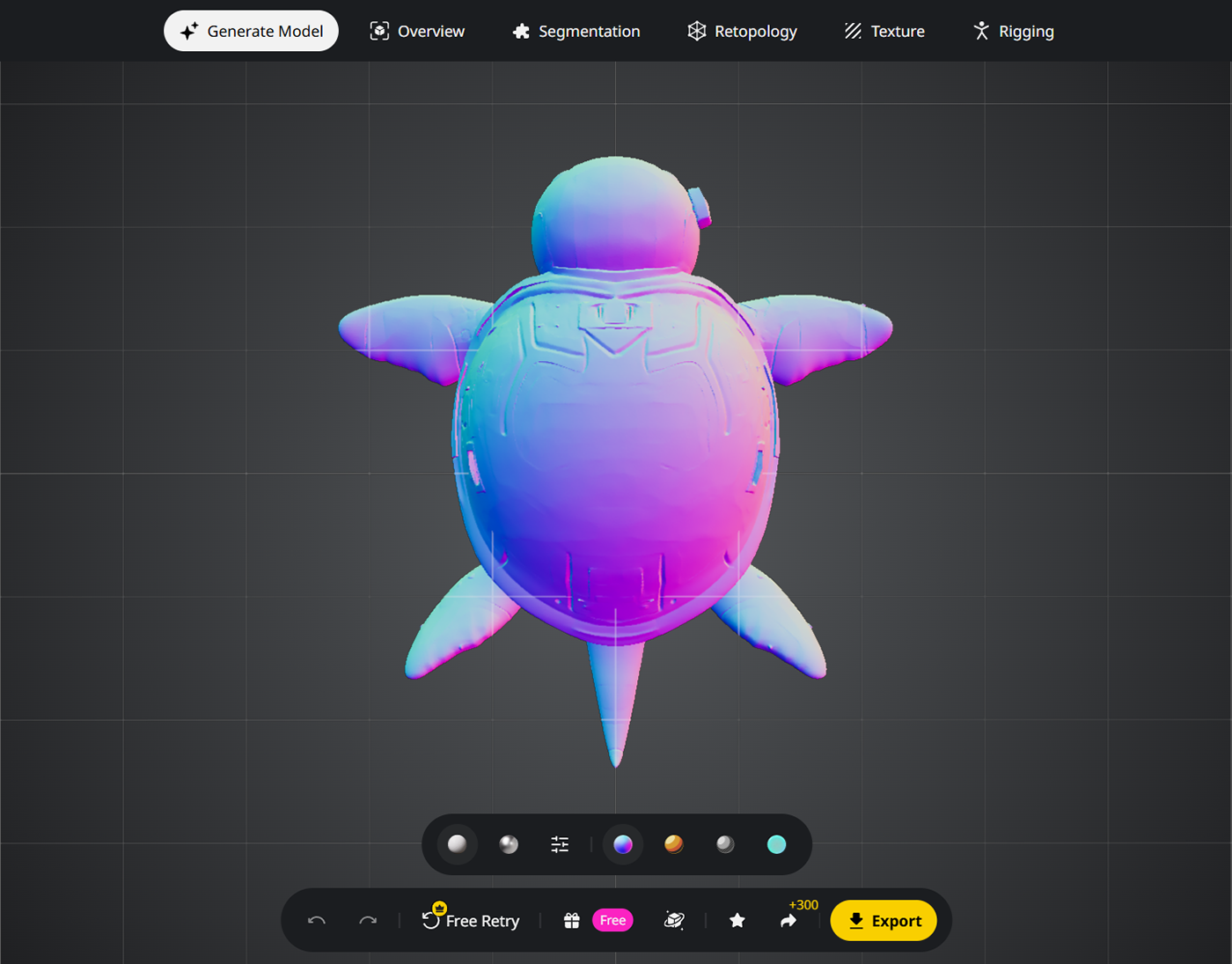
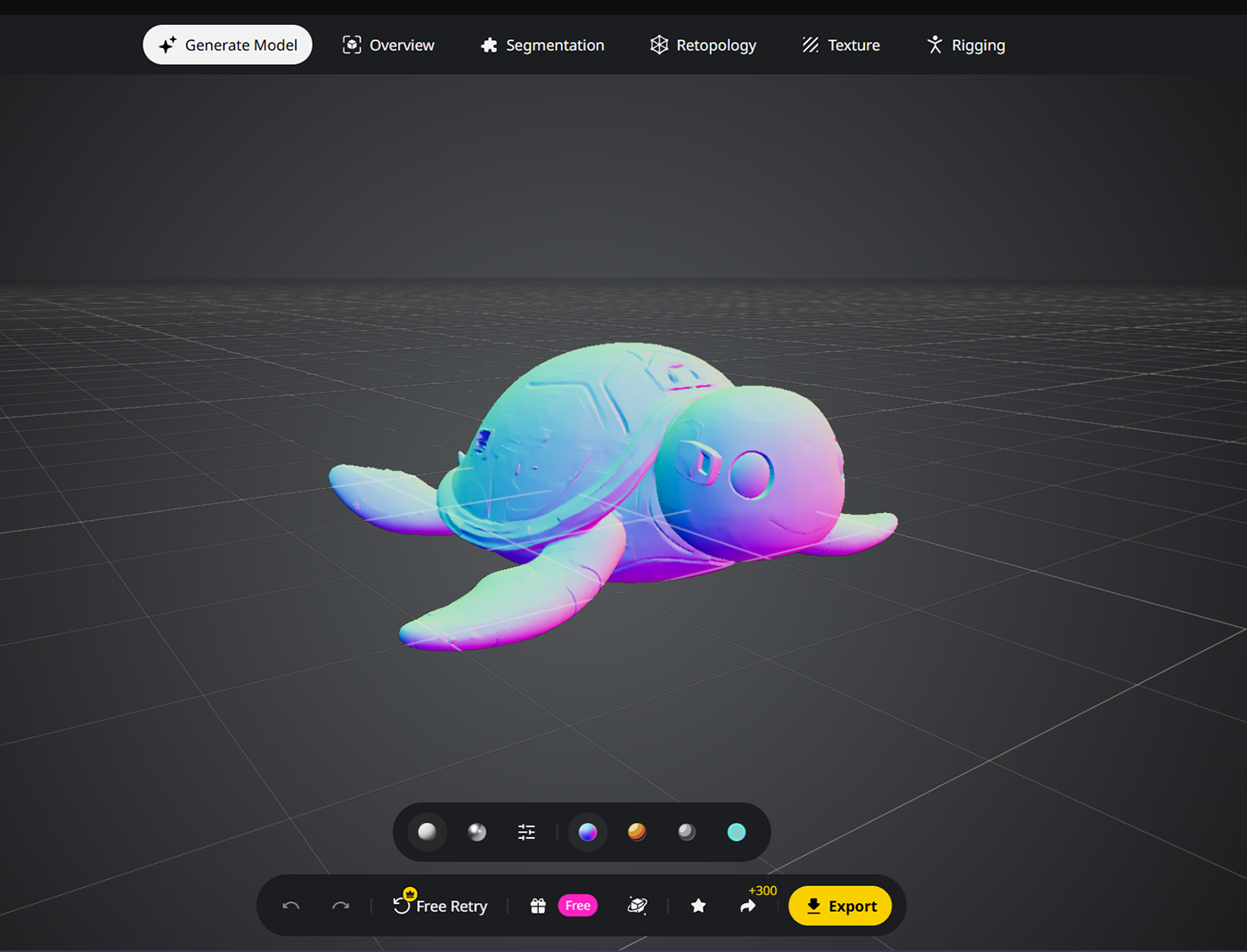
But you can't work with such a 3D model because the mesh and textures are not suitable for high-quality rendering.
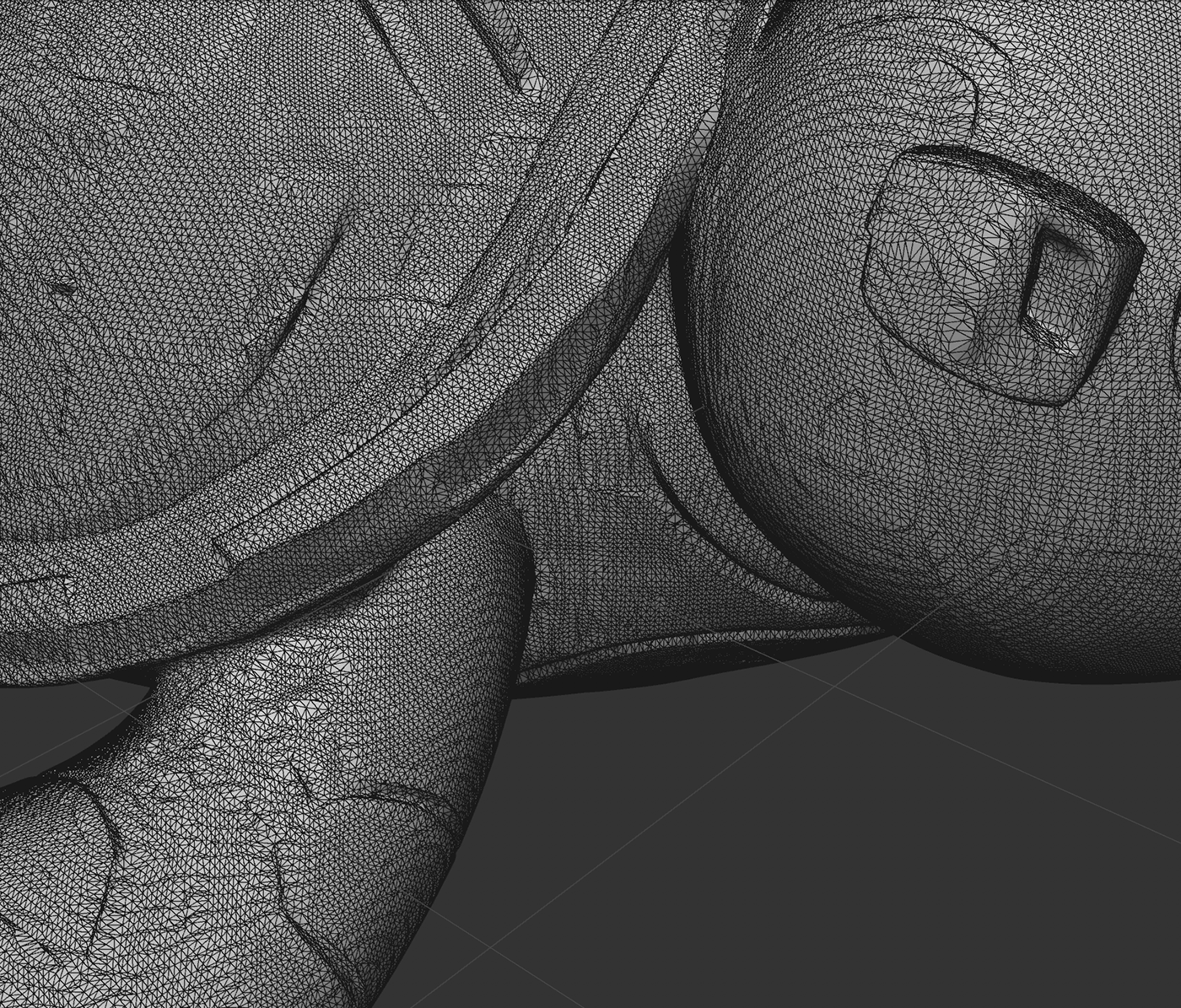
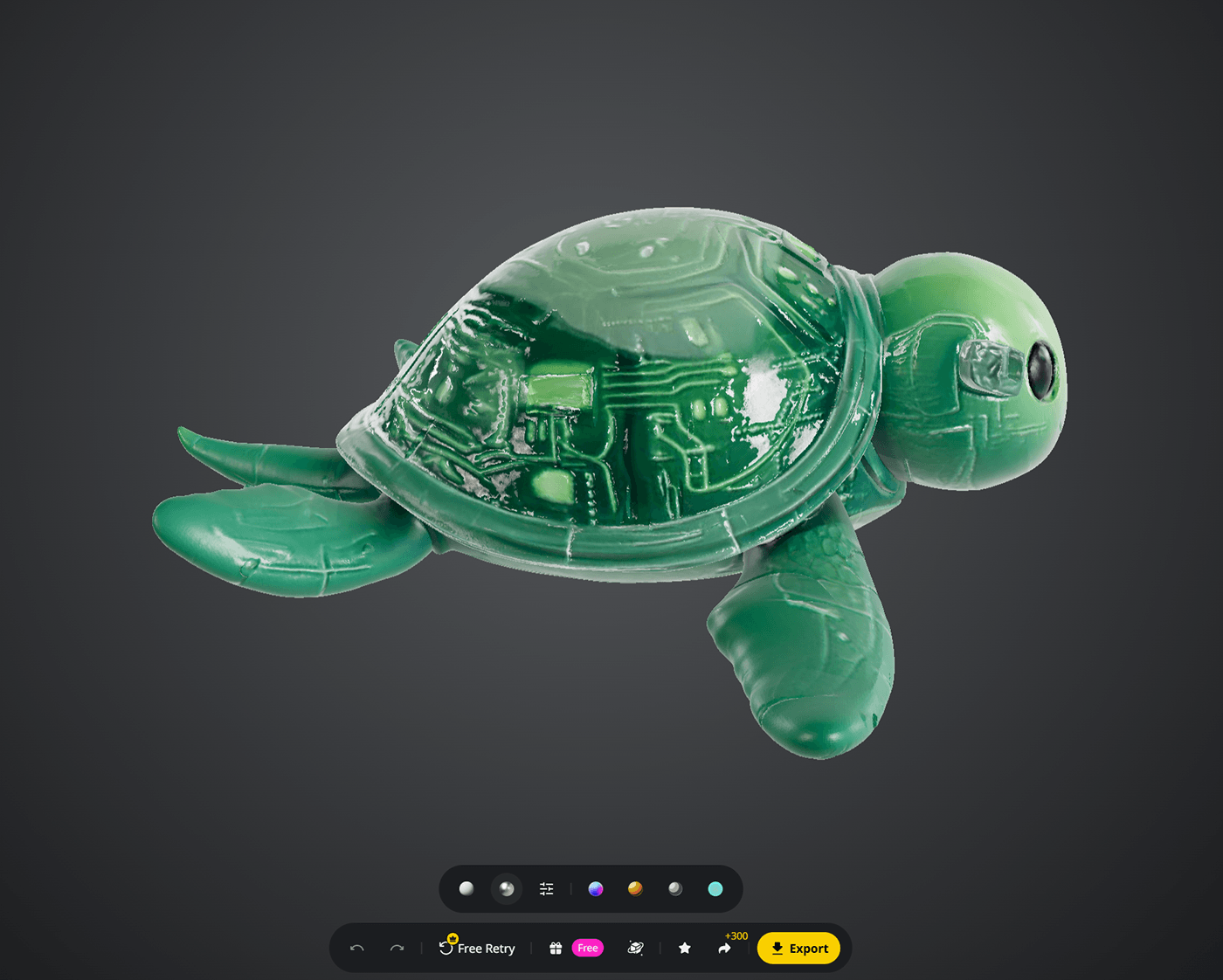
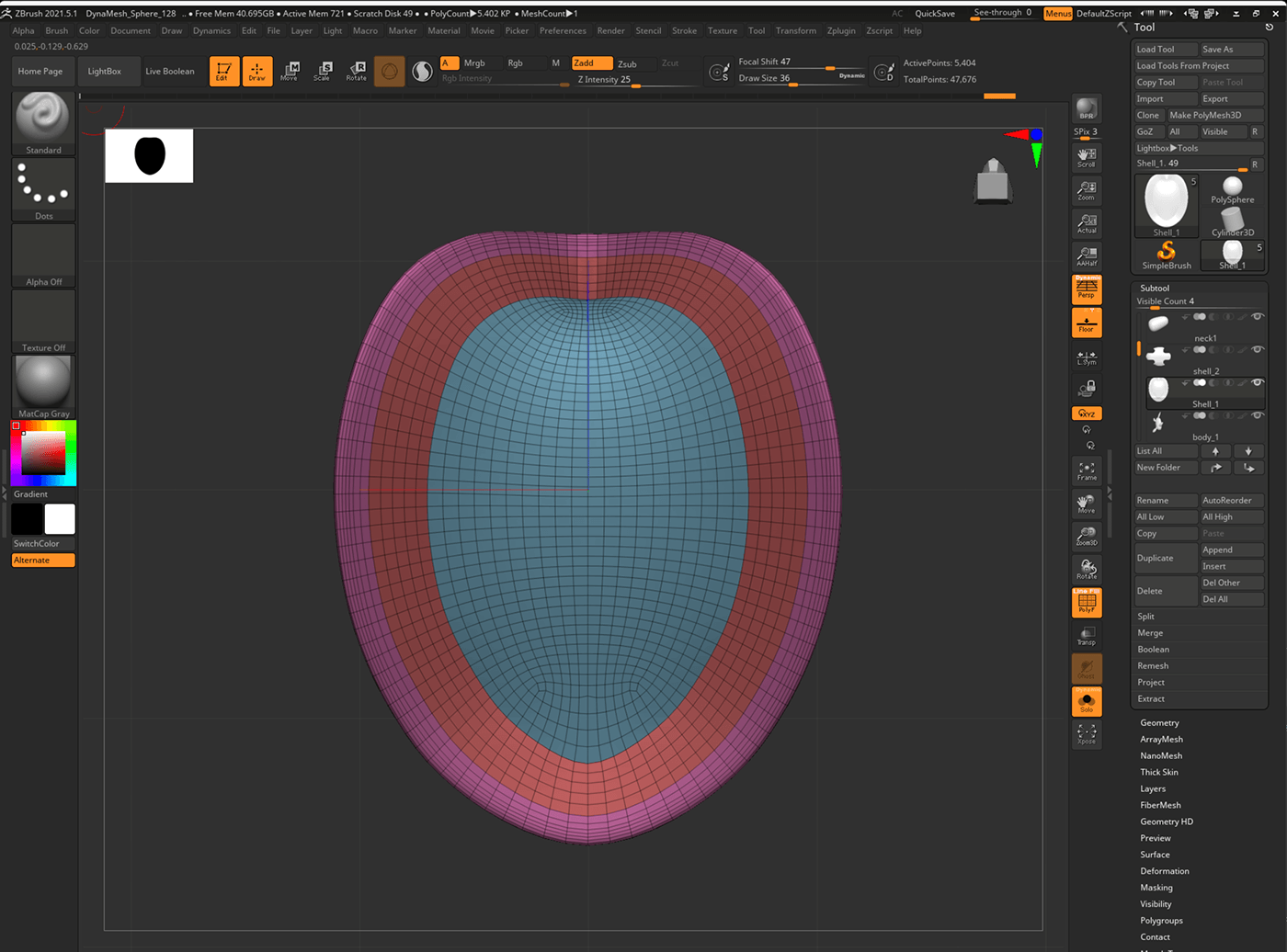
In the next step, I blocked out the character using simple base meshes in Cinema 4D, then moved to ZBrush for remeshing and UV preparation.
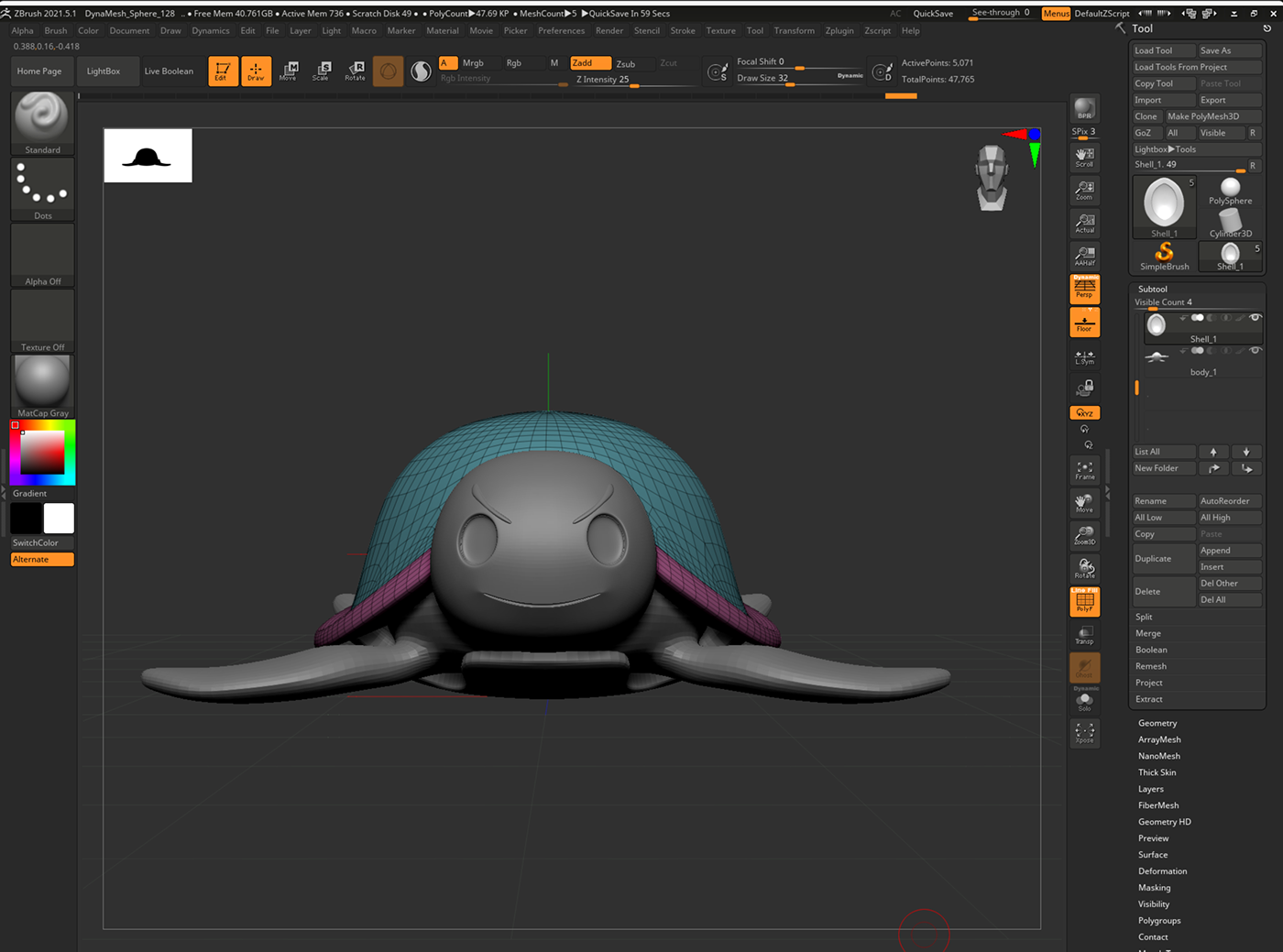
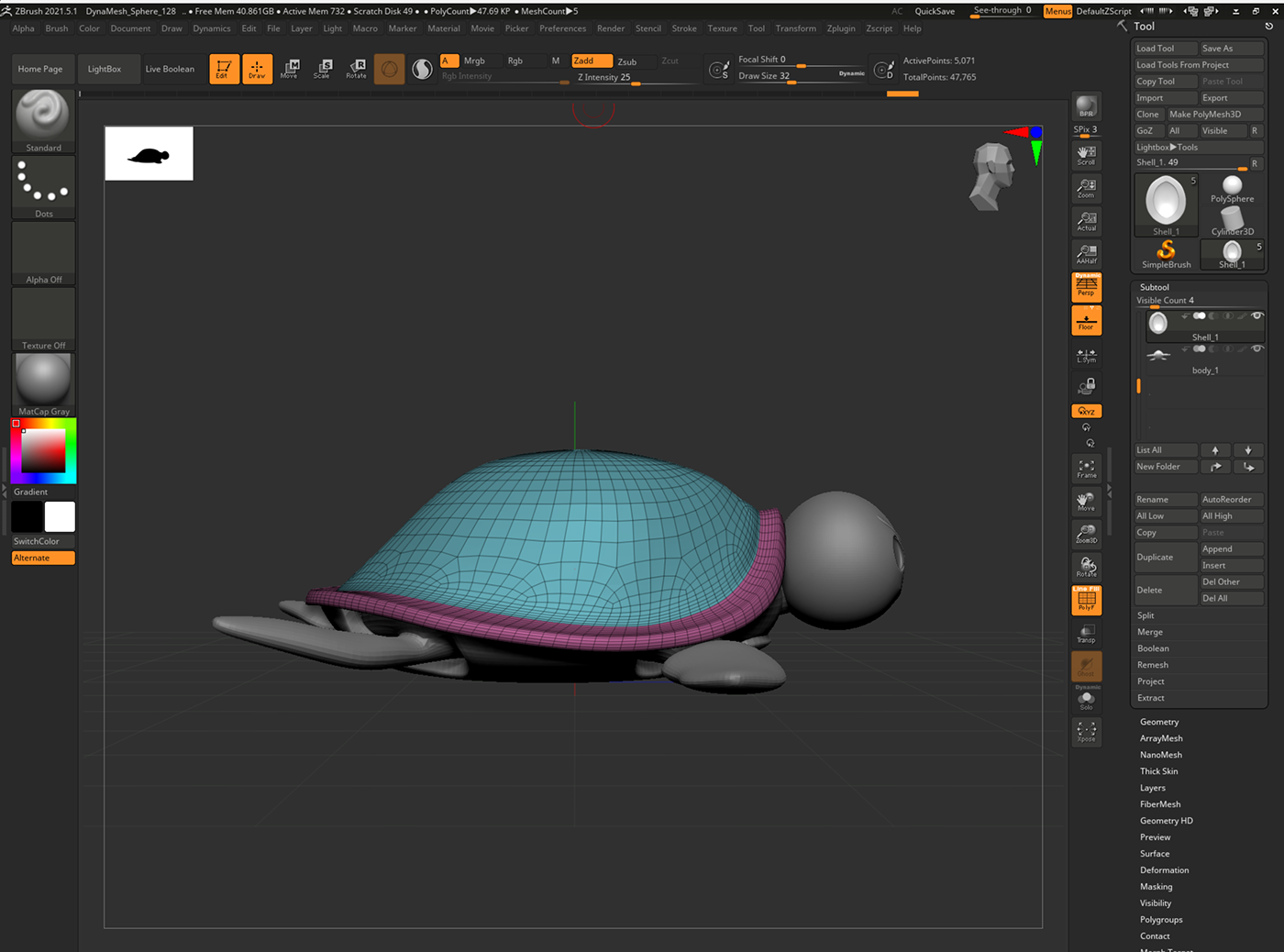
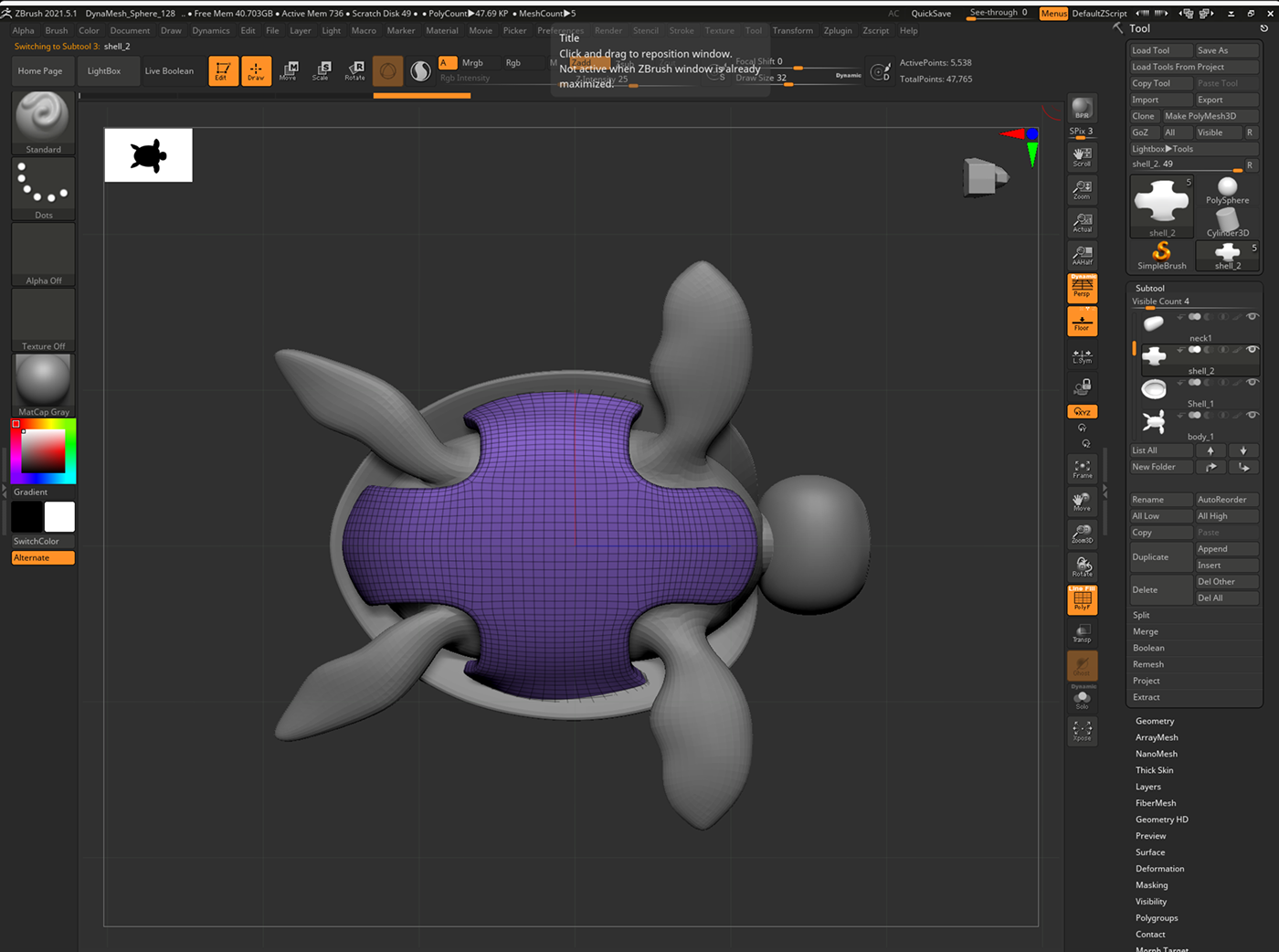
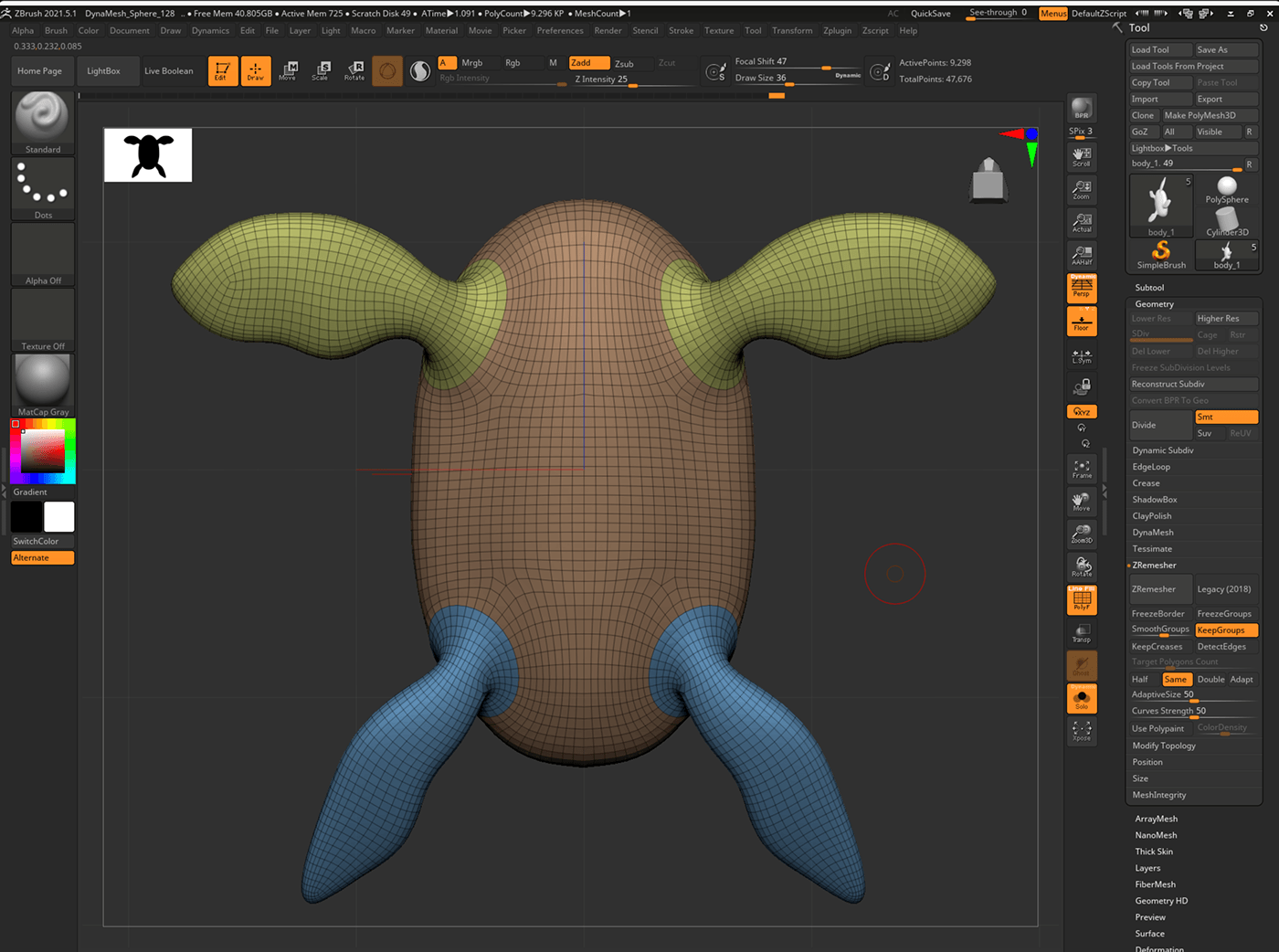
After completing all mesh refinements and iterations, this is the final 3D mascot model.
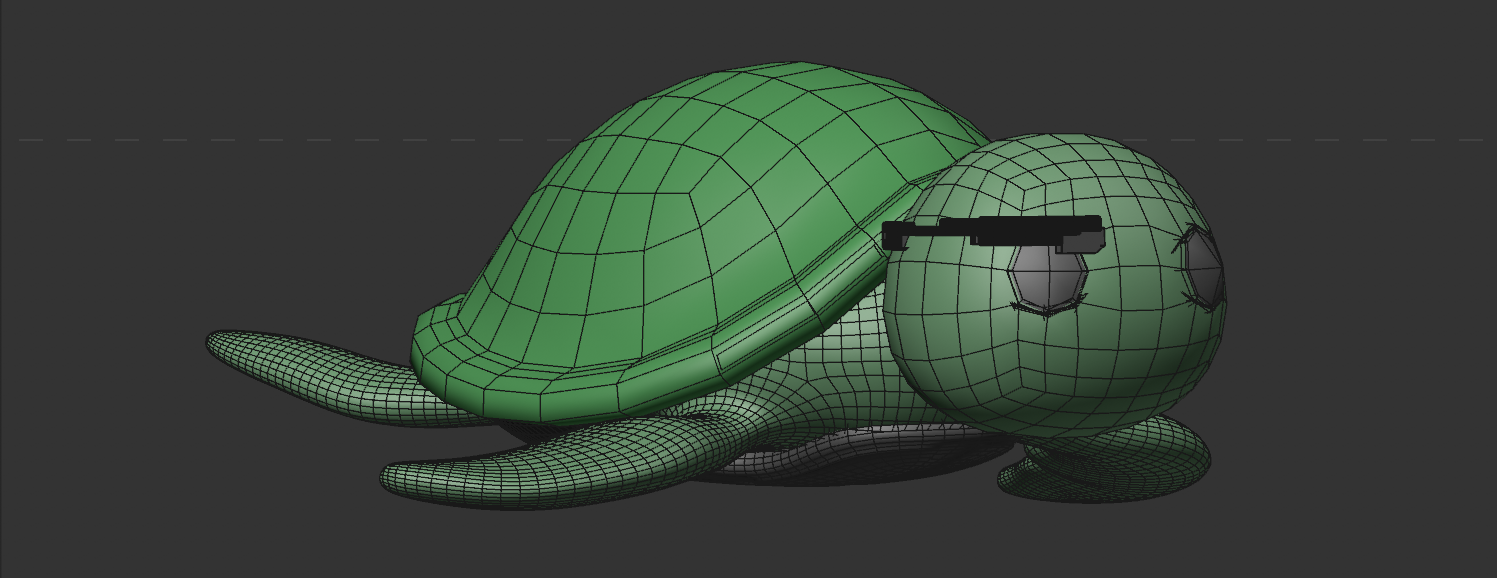
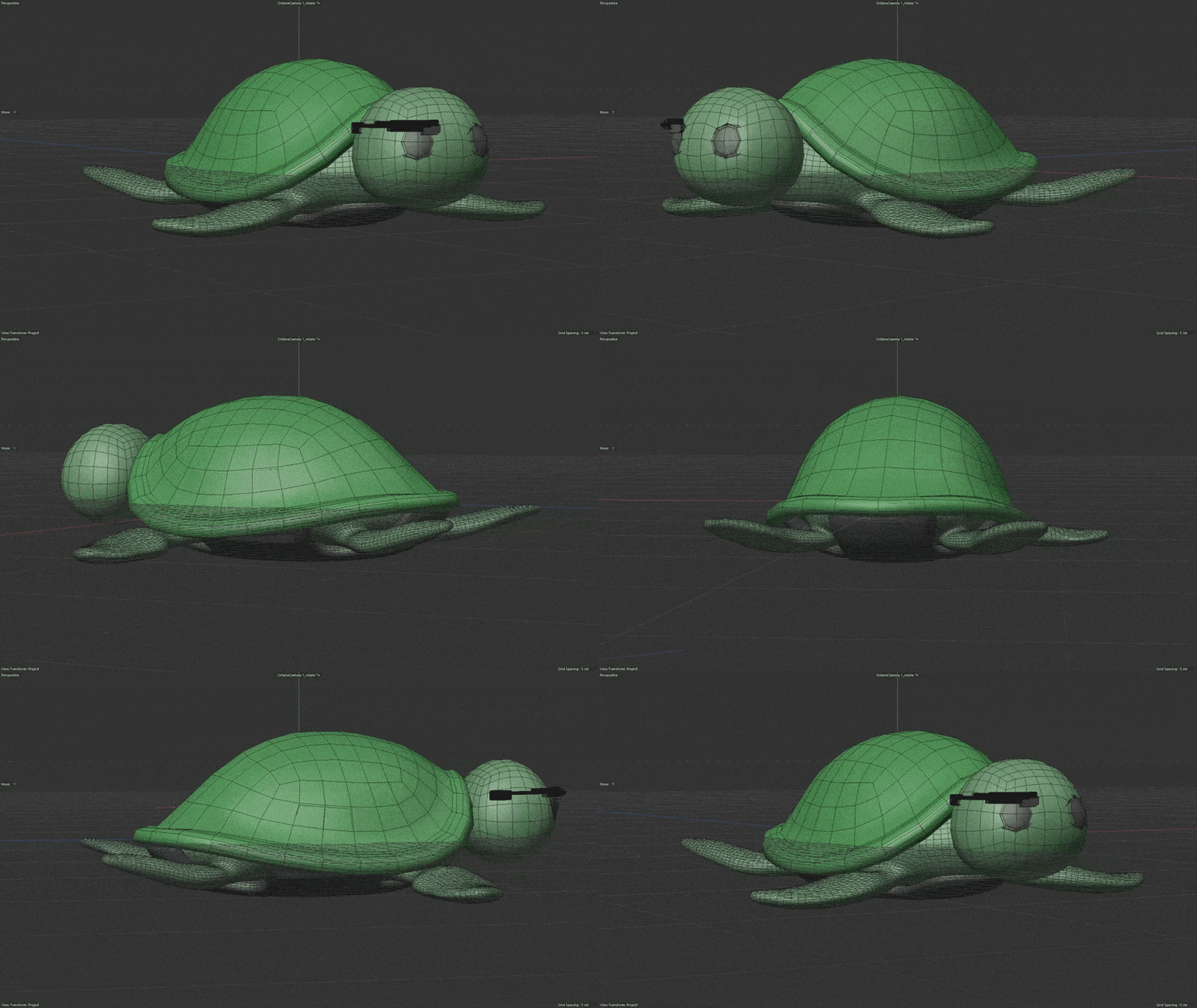
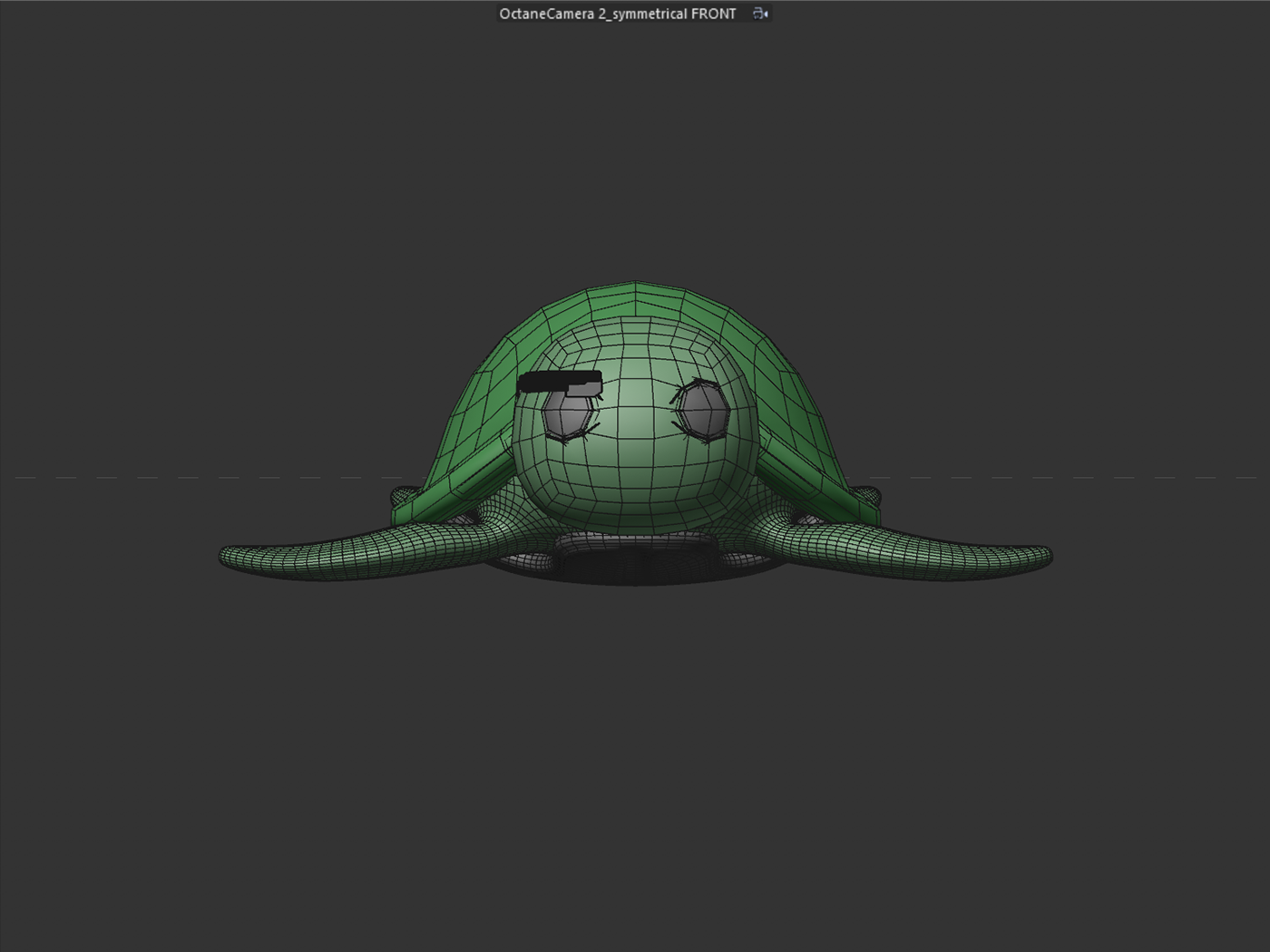
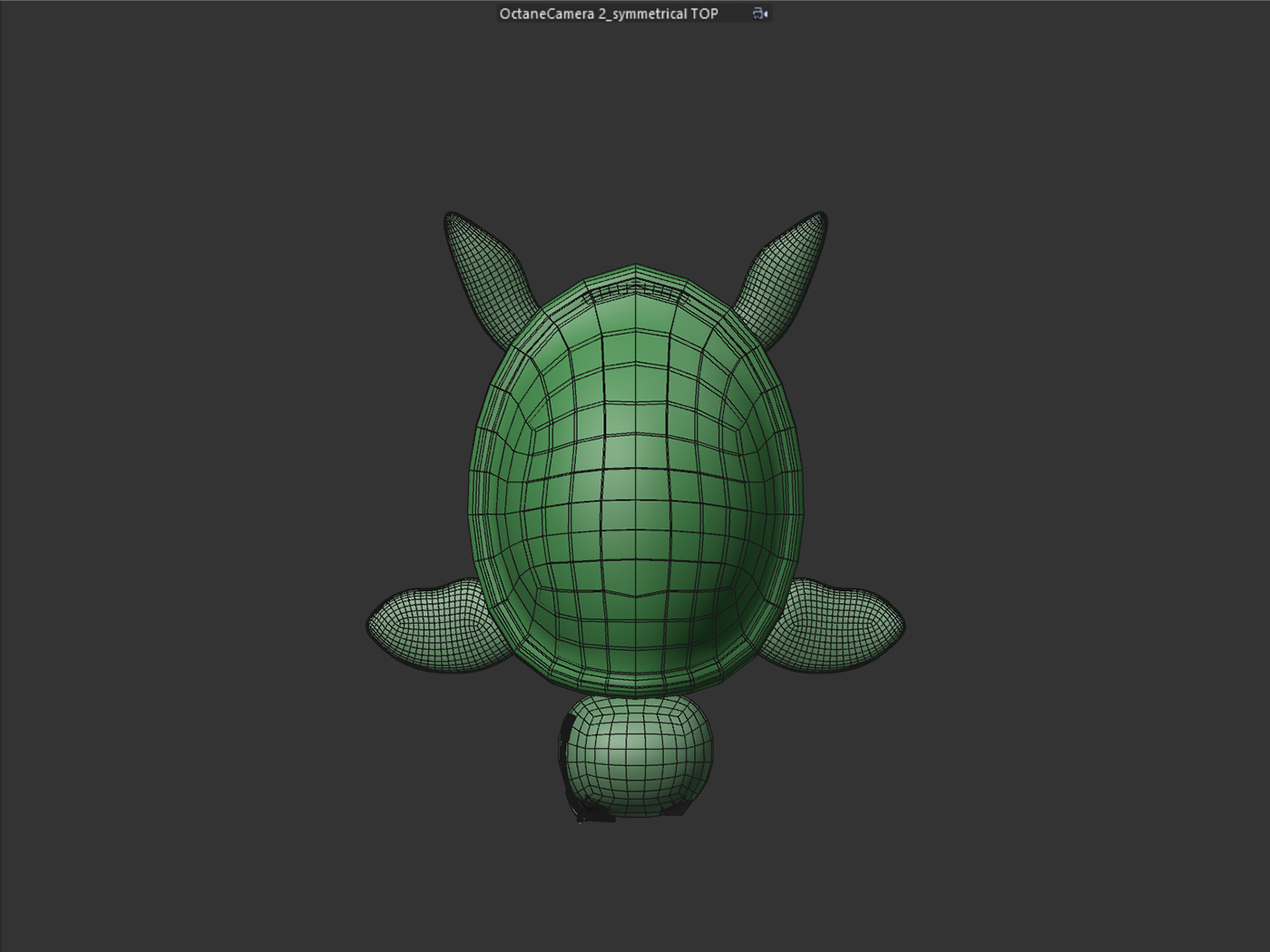
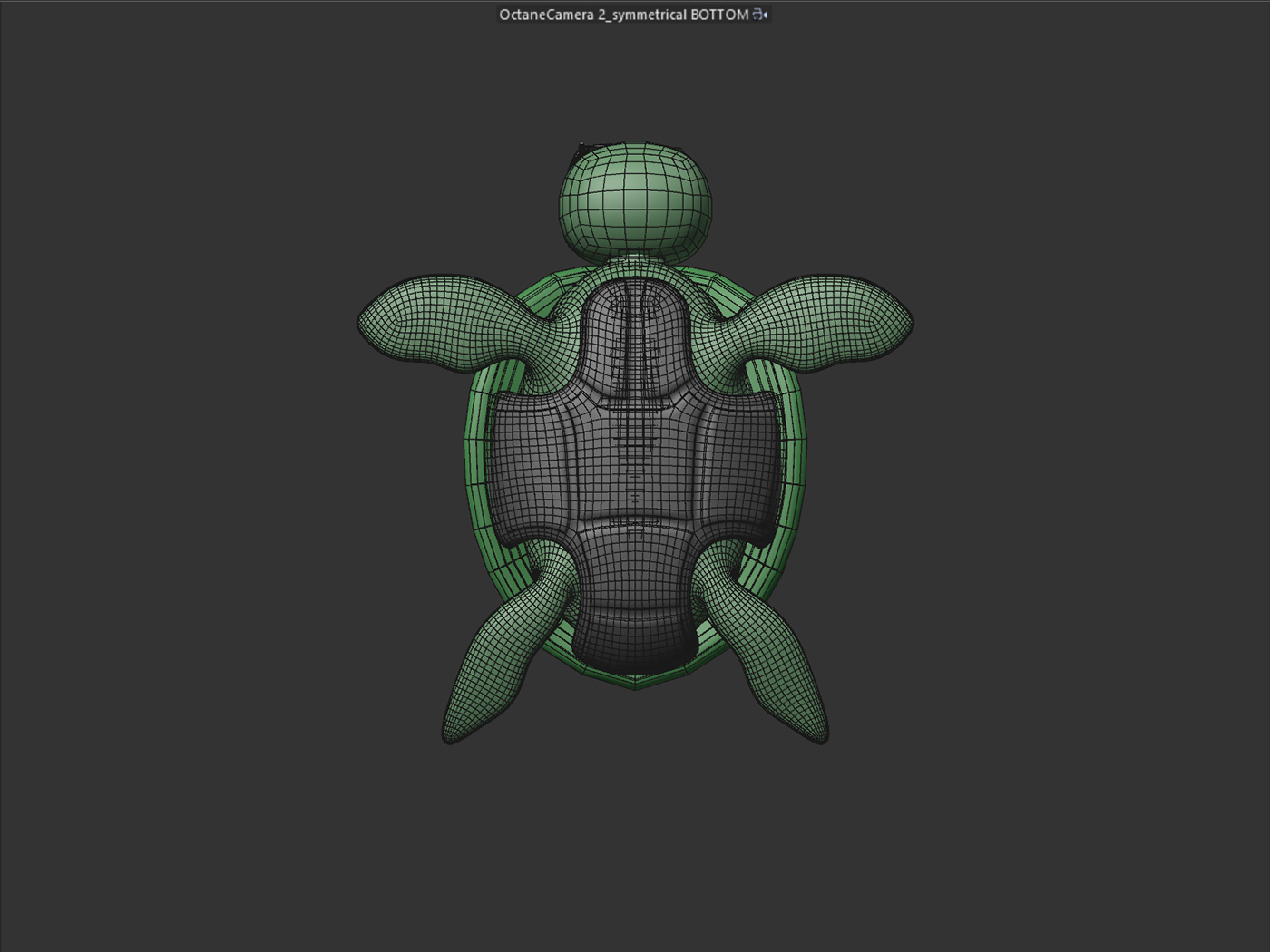
The model was built with clean and animation-ready topology, focusing on smooth deformations and clear shape hierarchy.
Key priorities during modeling:
- Clean subdivision-friendly geometry
- Clear separation of functional parts
- Preparation for facial controls and expressions
Look Development & Materials
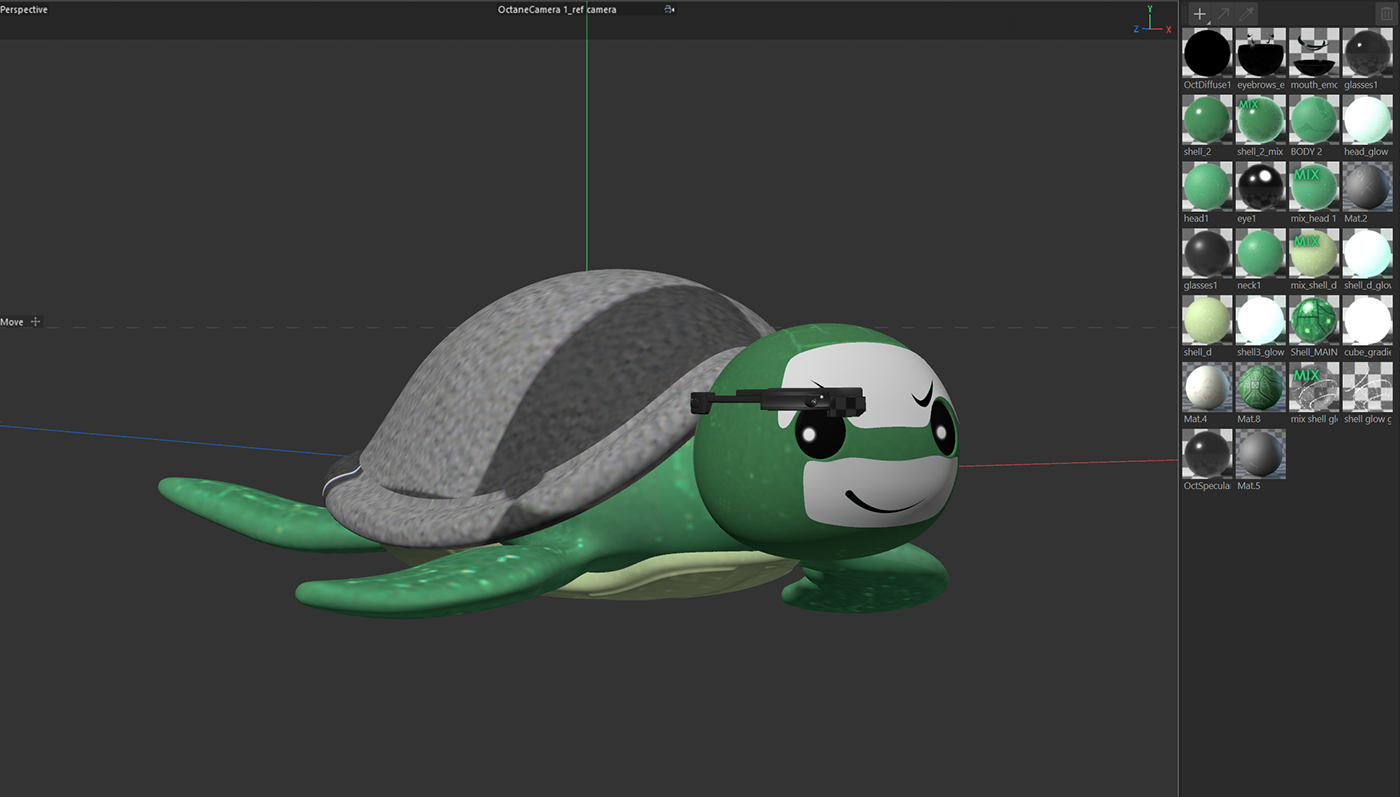
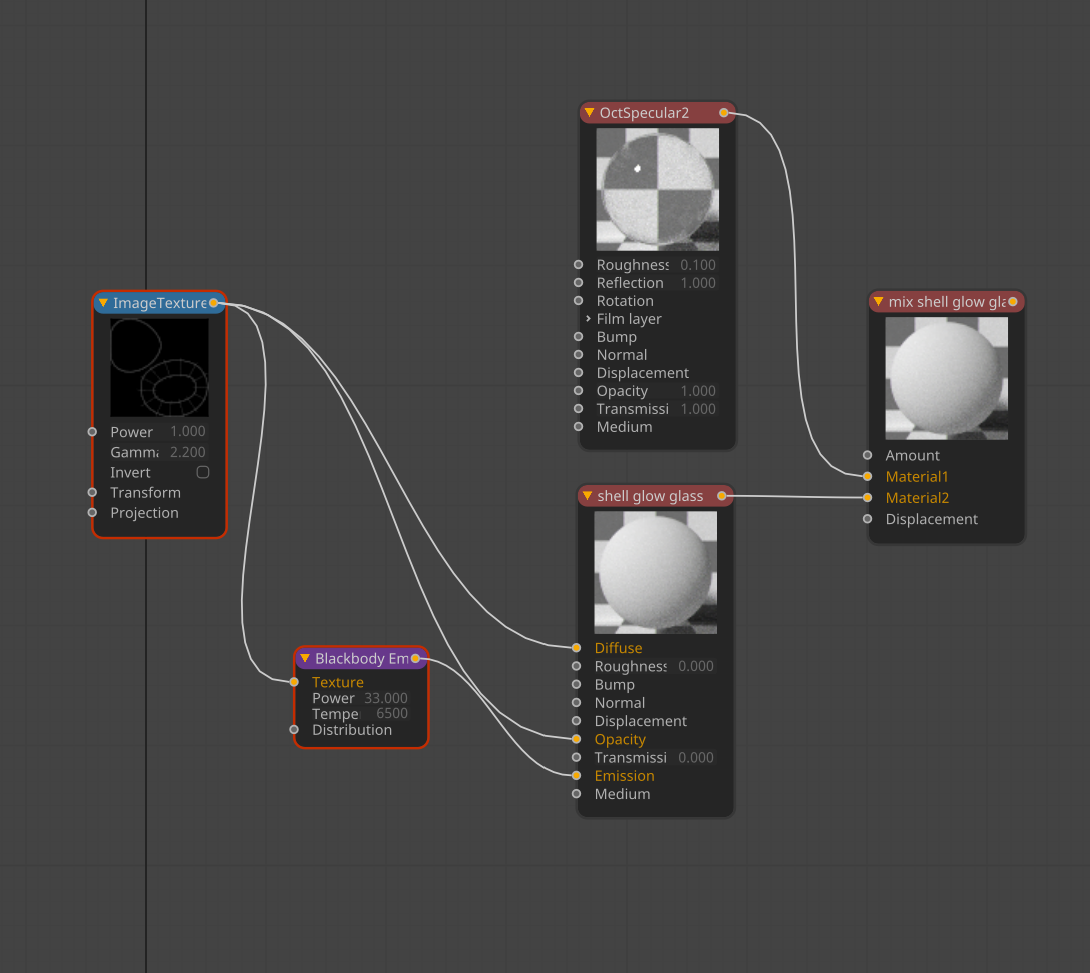
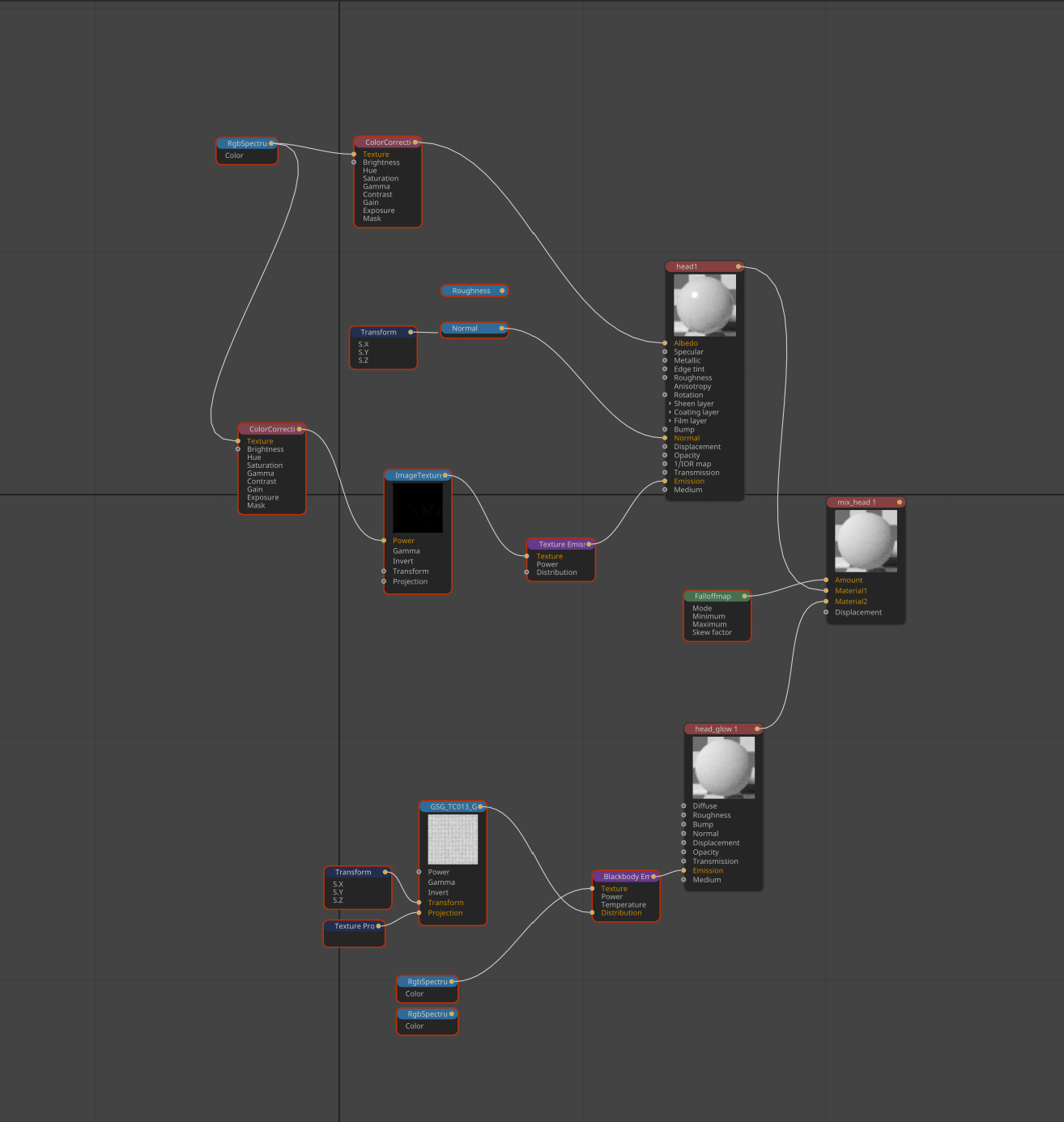
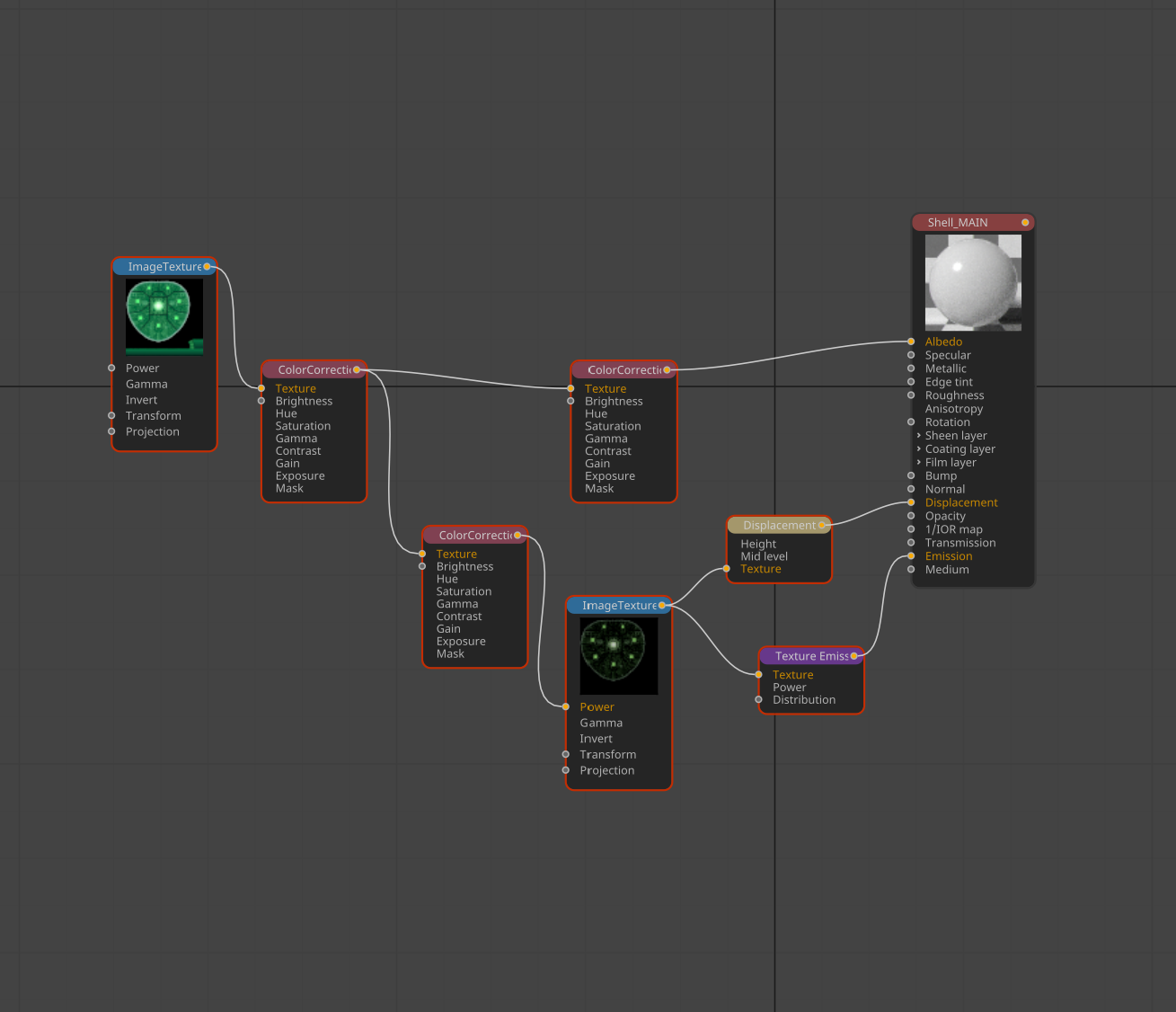
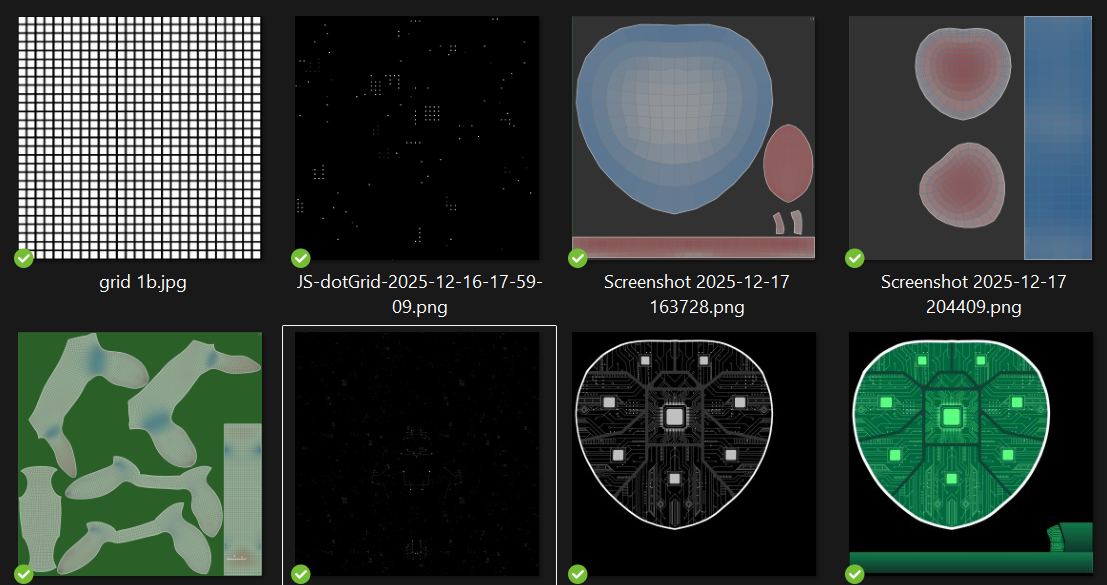
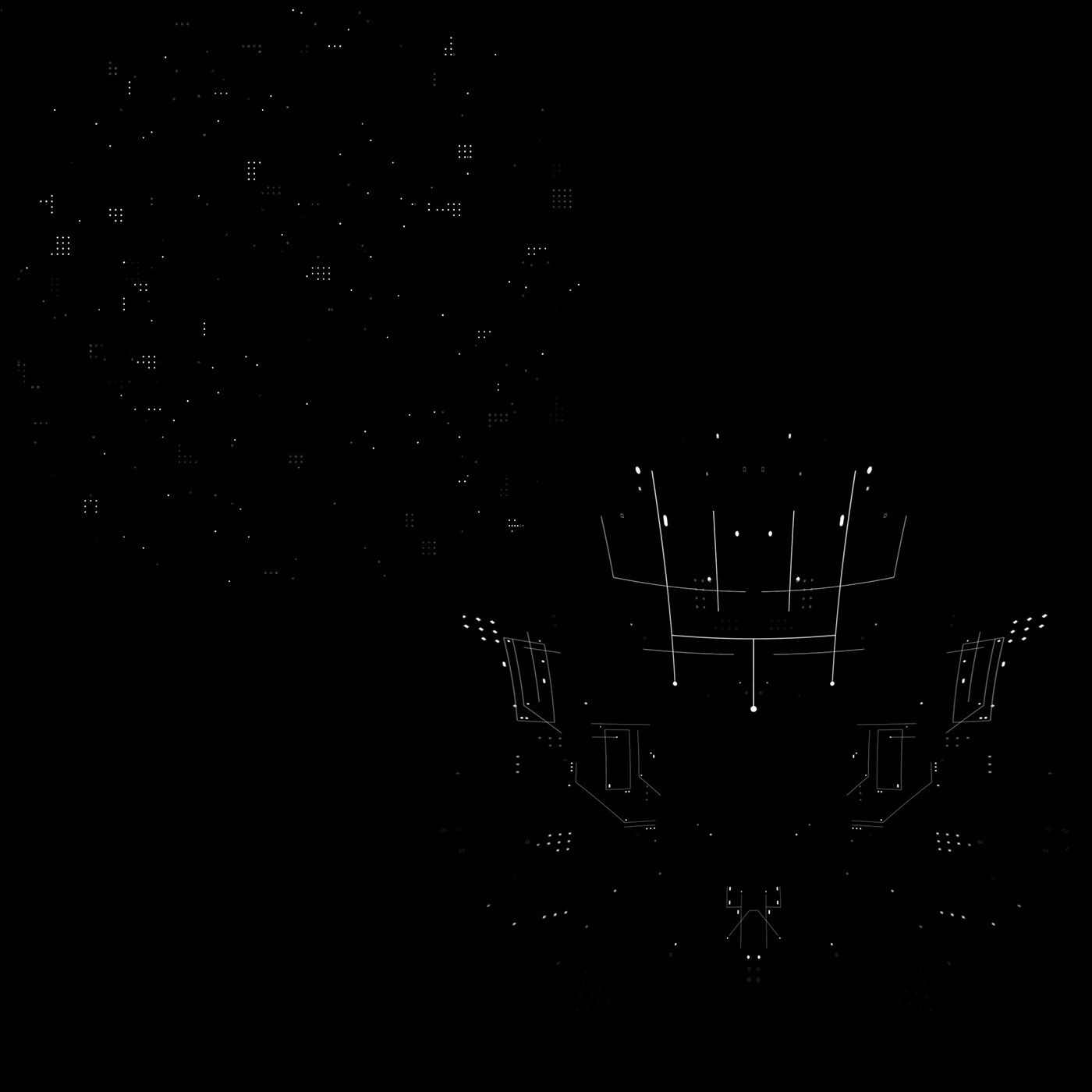
During the texturing process, I used JSplacement to generate fine surface details, combined with custom work in Photoshop and After Effects. The UV layout was iterated multiple times to ensure all textures fit the model cleanly and consistently.
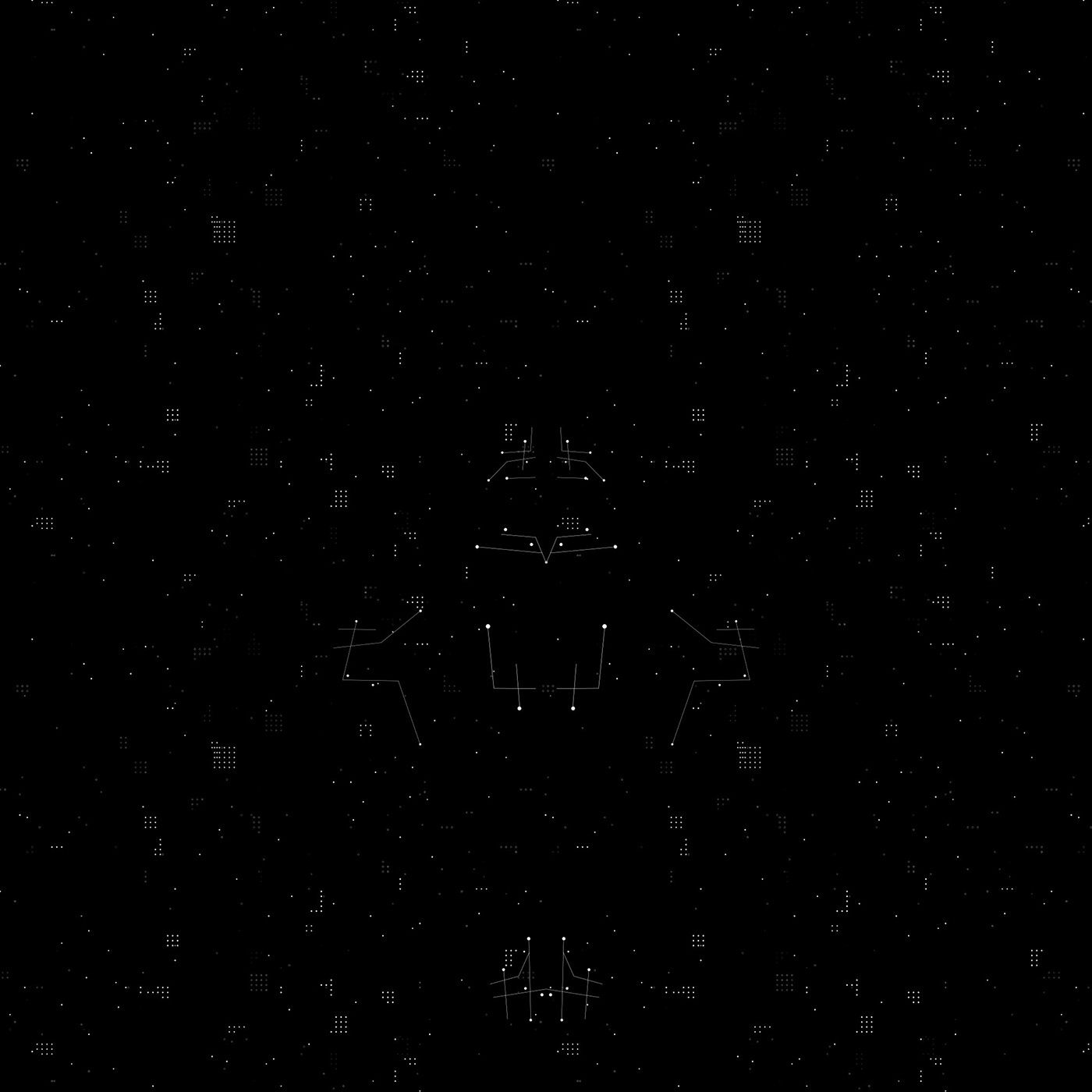
Materials were developed in Octane Render with a focus on depth and readability.
Highlights:
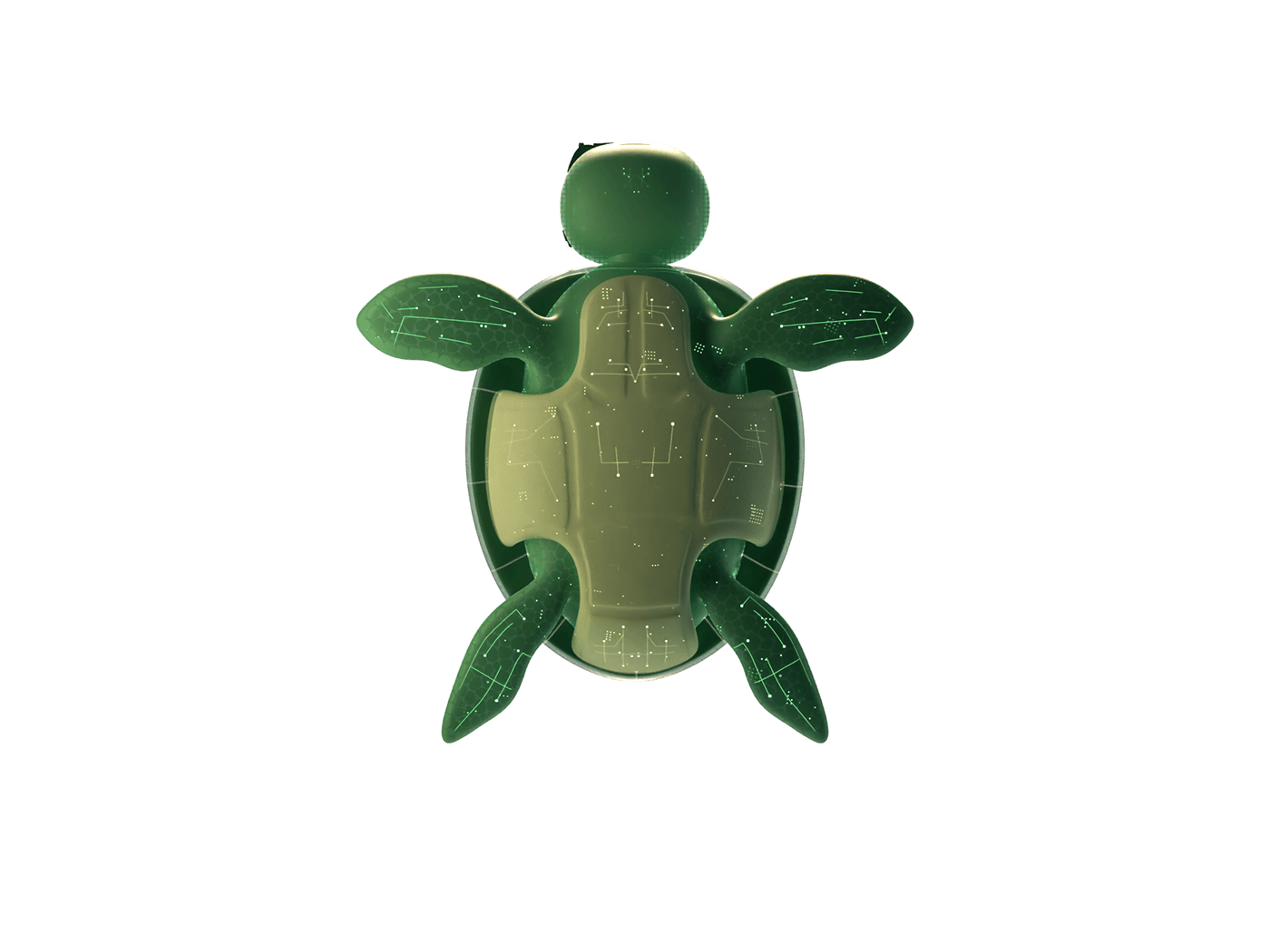
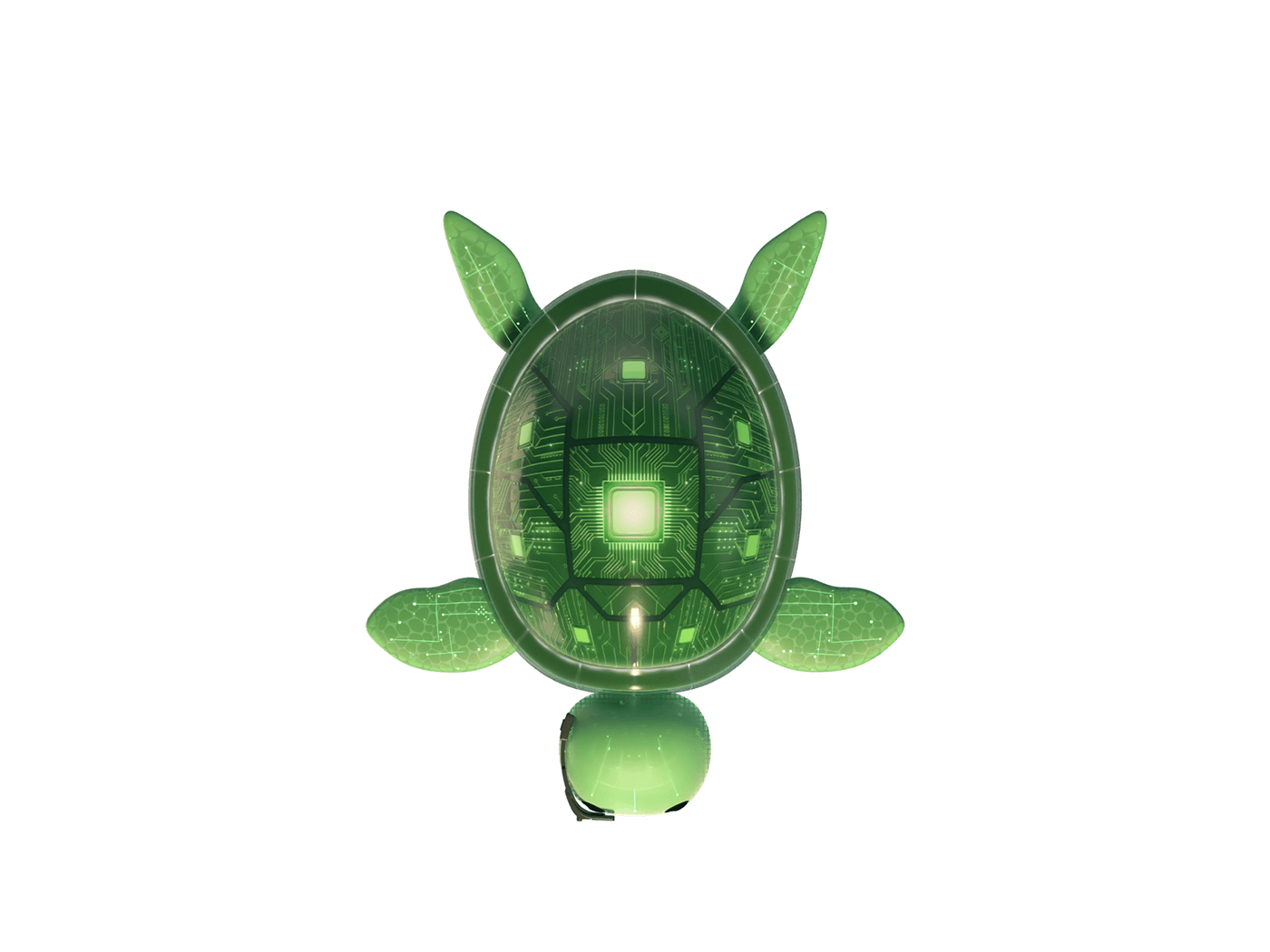
- Semi-transparent shell with a circuit-inspired internal pattern
- Soft skin shader with subtle translucency
- Balanced reflections to keep the character readable in different lighting setups
- All materials were designed to remain stable across multiple lighting scenarios.
Lighting & Rendering
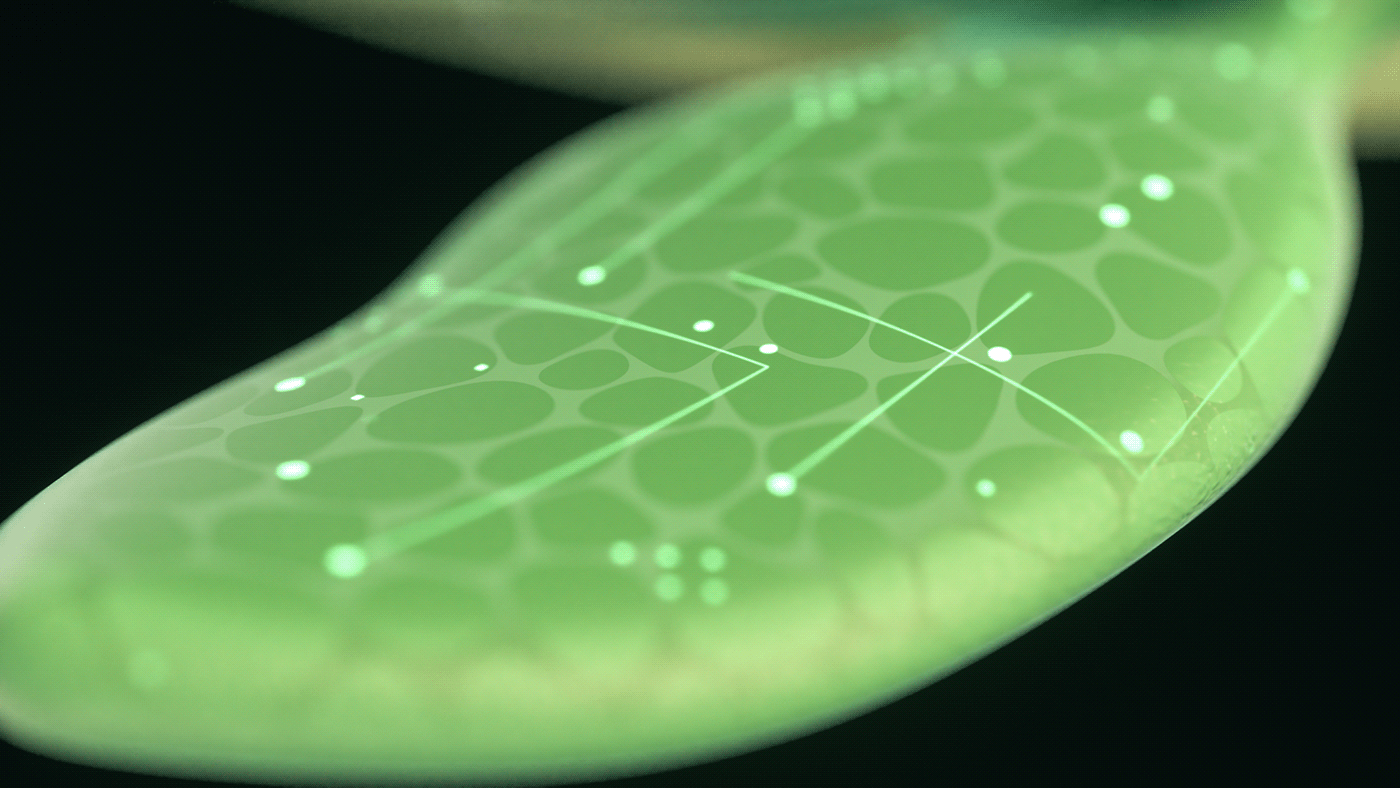
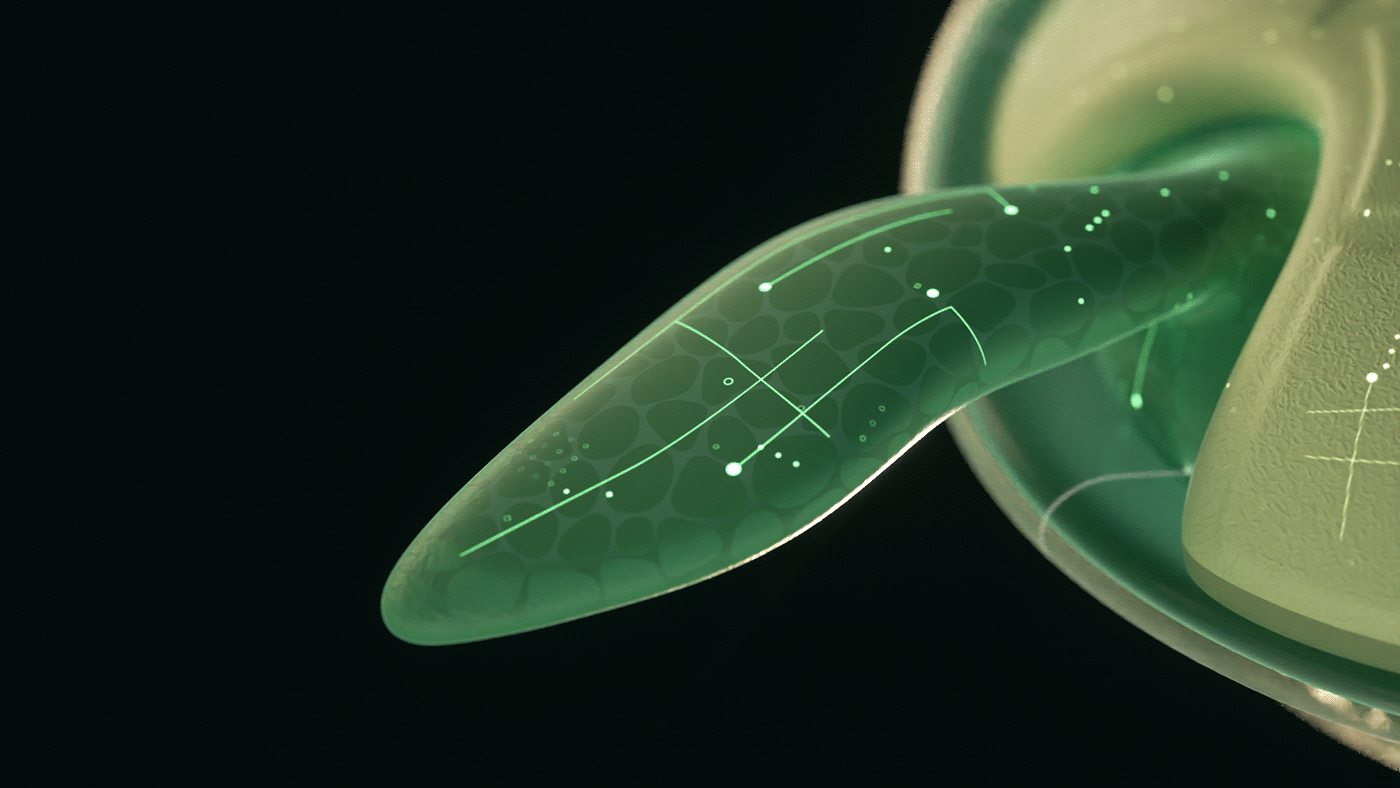
Lighting was optimized for both final renders and asset reuse.
The setup allows:
- Clean transparent PNG outputs
- Consistent shadows
- Easy adaptation to different backgrounds and compositions
- Both Path Tracing and Photon rendering modes were tested depending on performance needs.
Rigging & Expressions
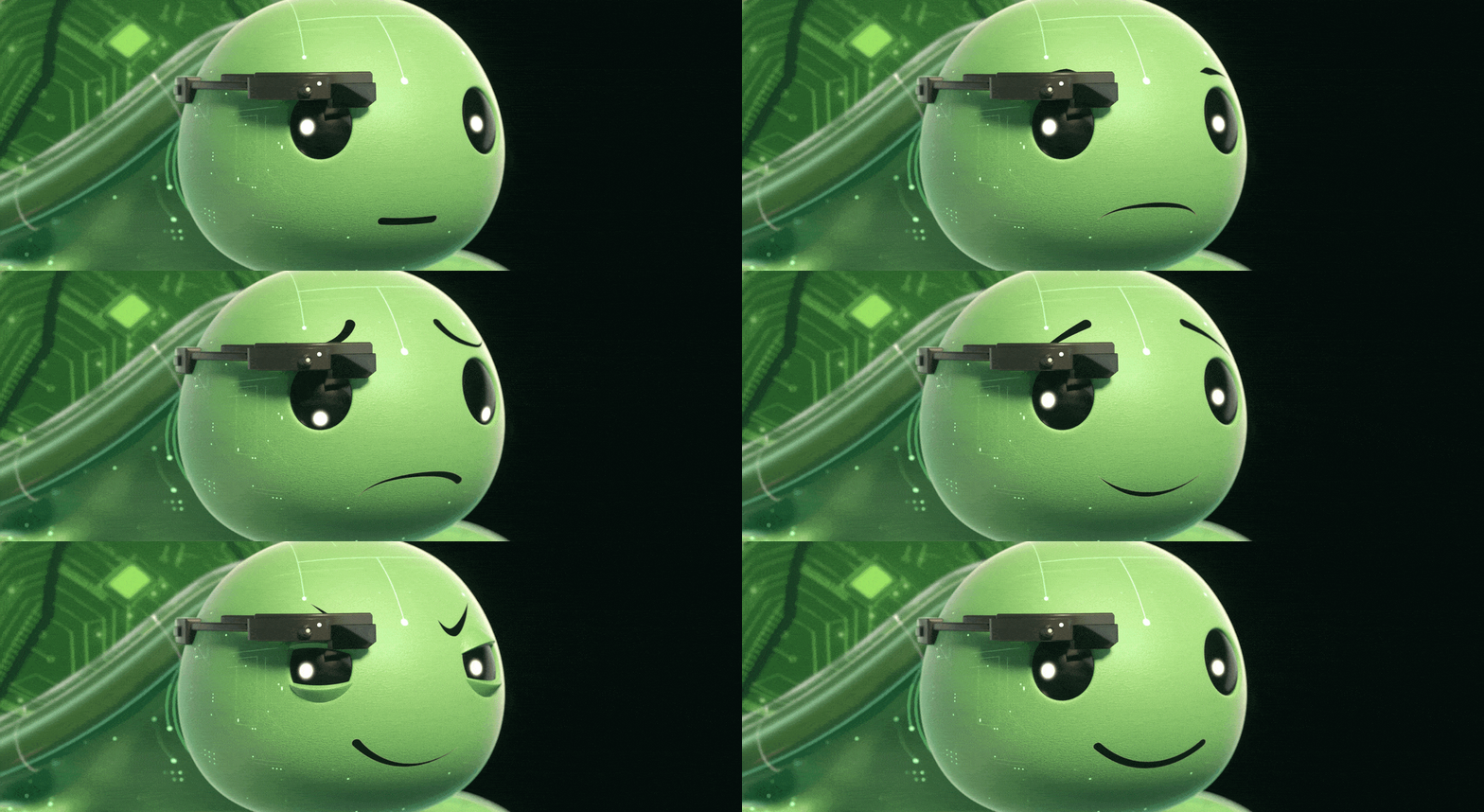
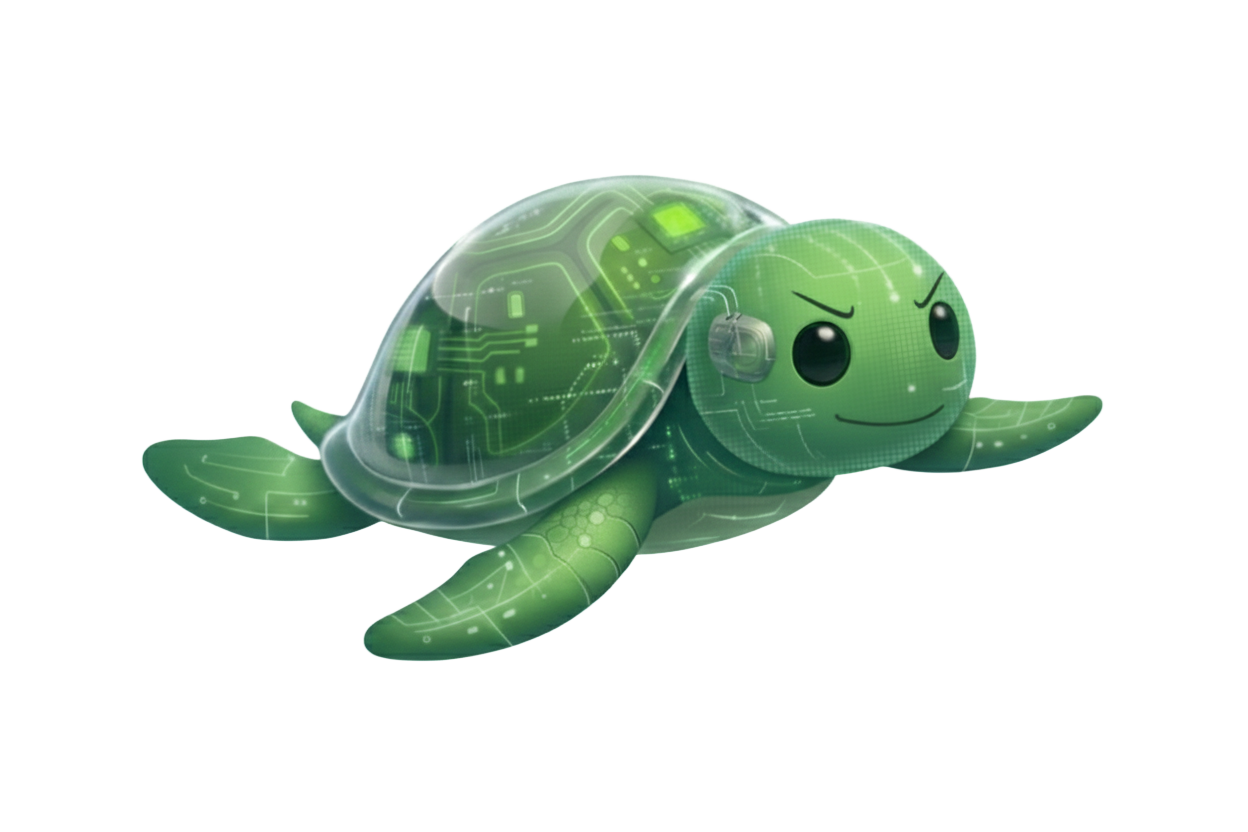
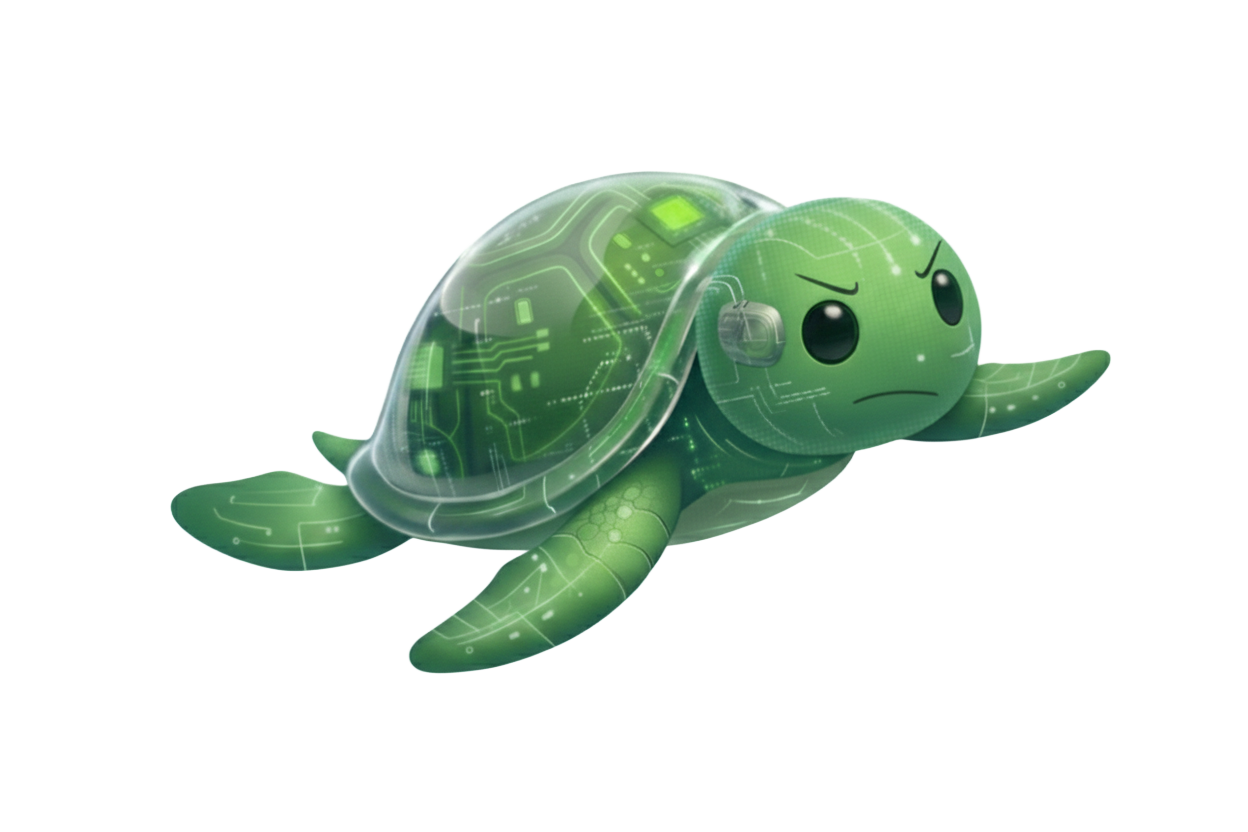
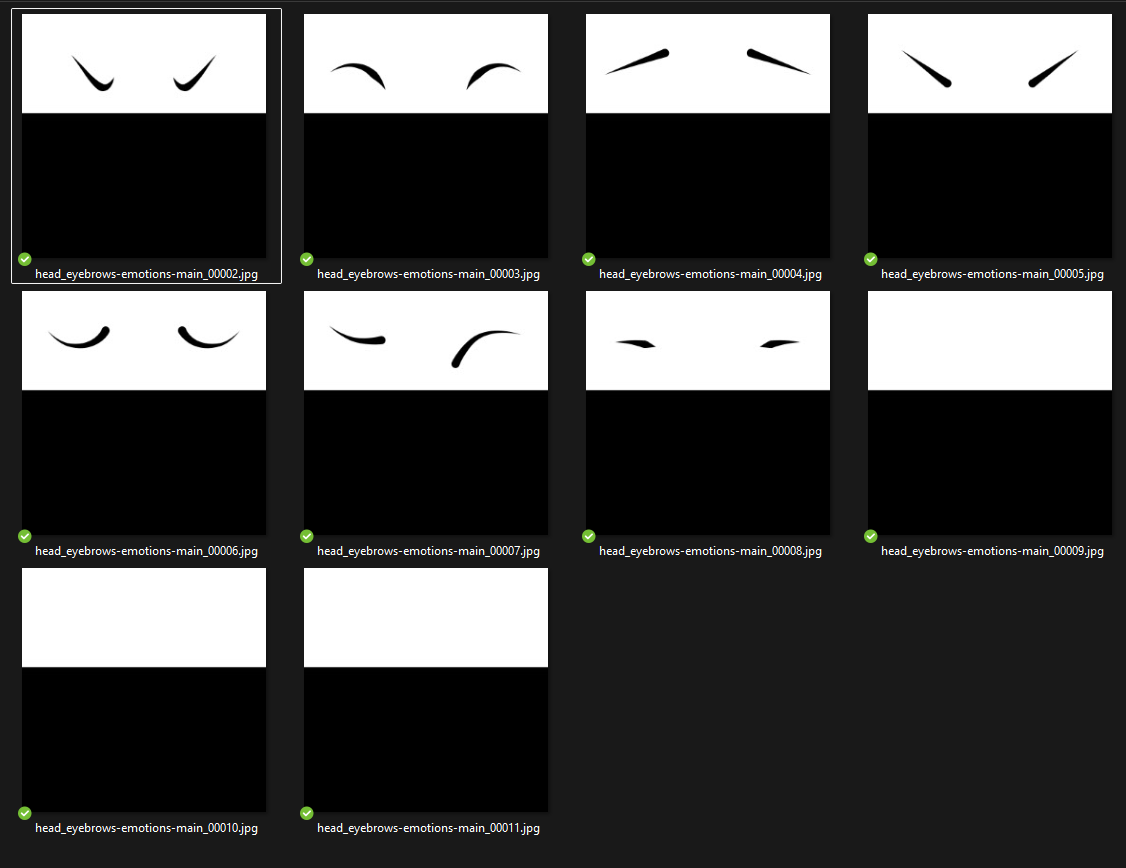
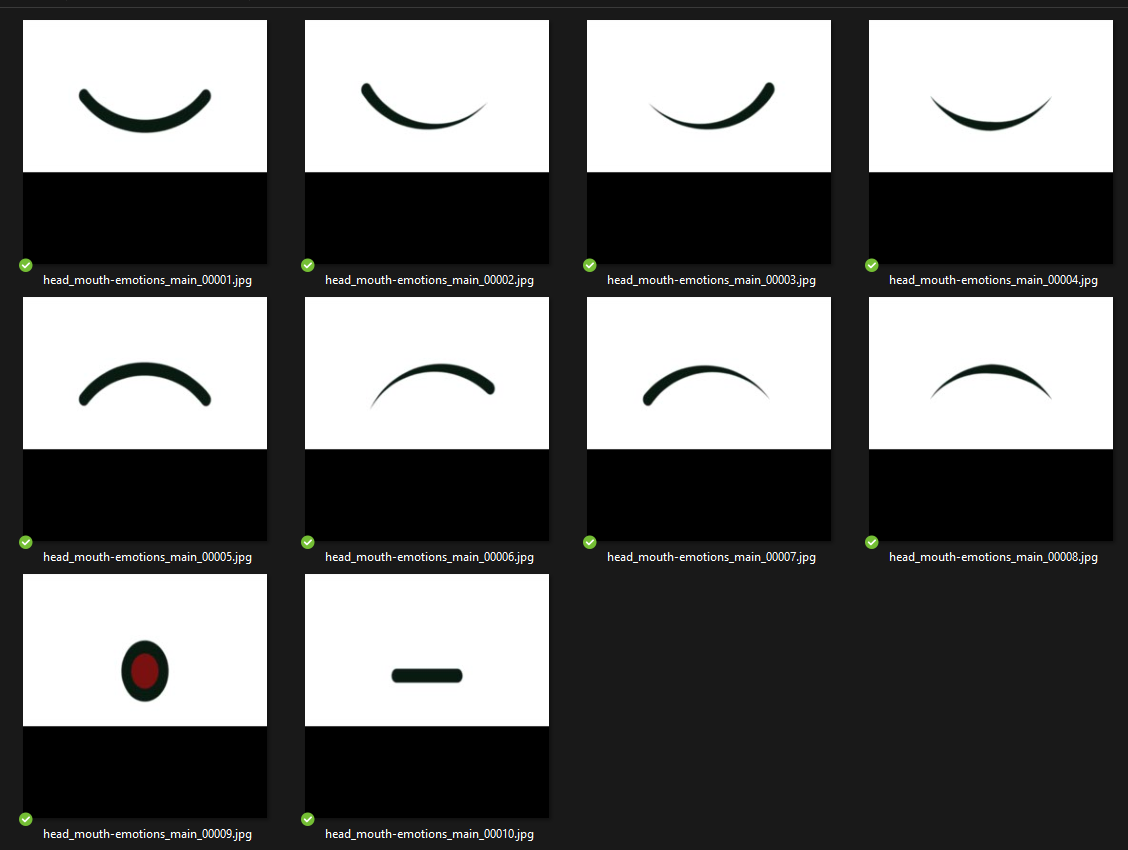
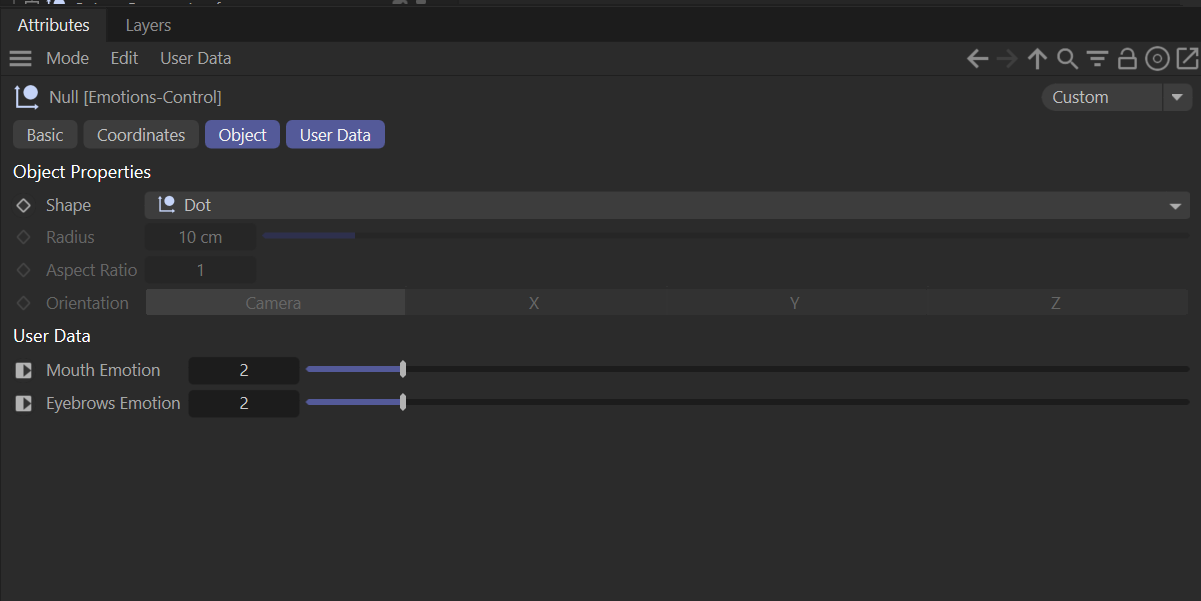
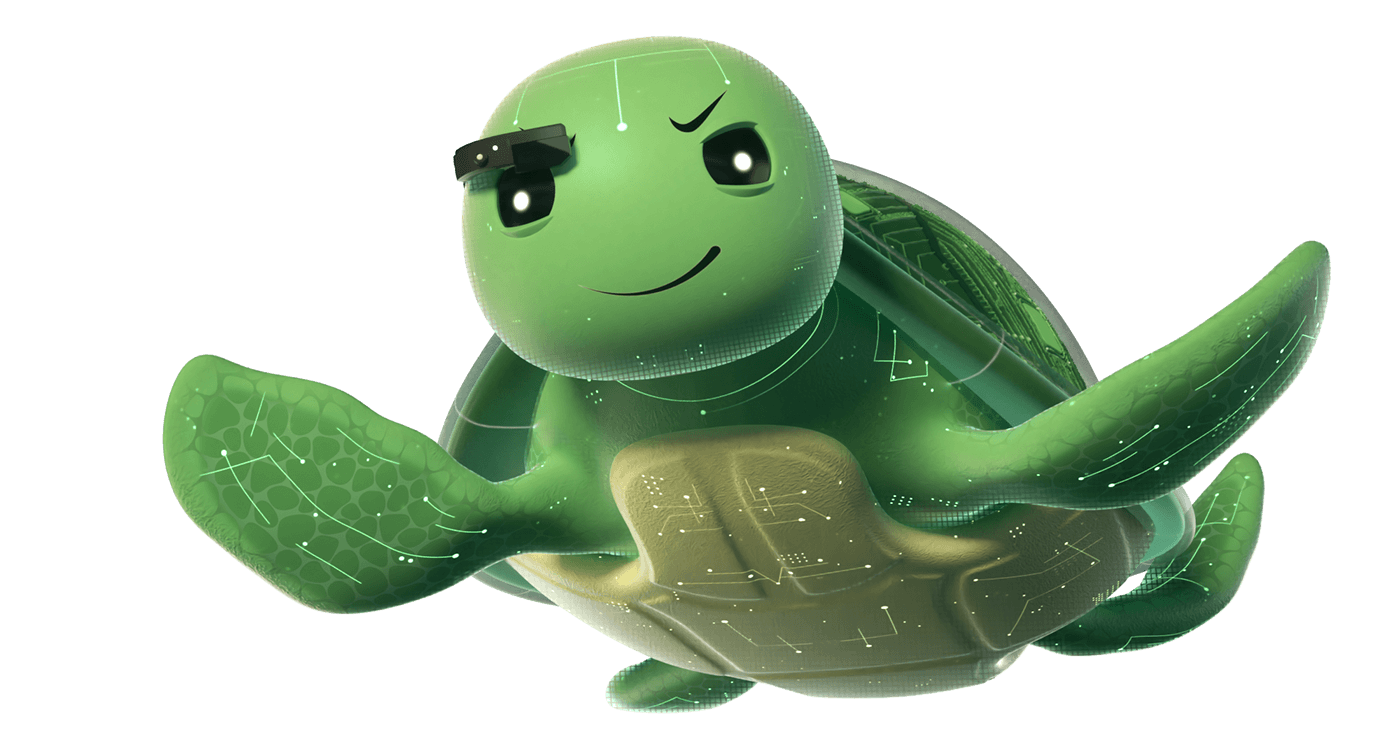
Facial expressions were implemented as 2D texture decals rather than geometry. This approach avoids unwanted shadows and reflections, keeps the lighting clean, and allows the emotions to remain clearly readable in all scenarios.
All expressions can be easily switched via a dedicated controller inside Cinema 4D, and the texture-based setup also allows for quick future replacements or customization if needed.
The mascot was rigged with a clean and animator-friendly control system focused on simplicity and flexibility.
All main body parts are driven by intuitive spline-based controllers, allowing smooth and natural movement of the fins, head, and body with minimal setup time.
The rig is organized around a central MAIN controller, which handles global transformations and overall posing.
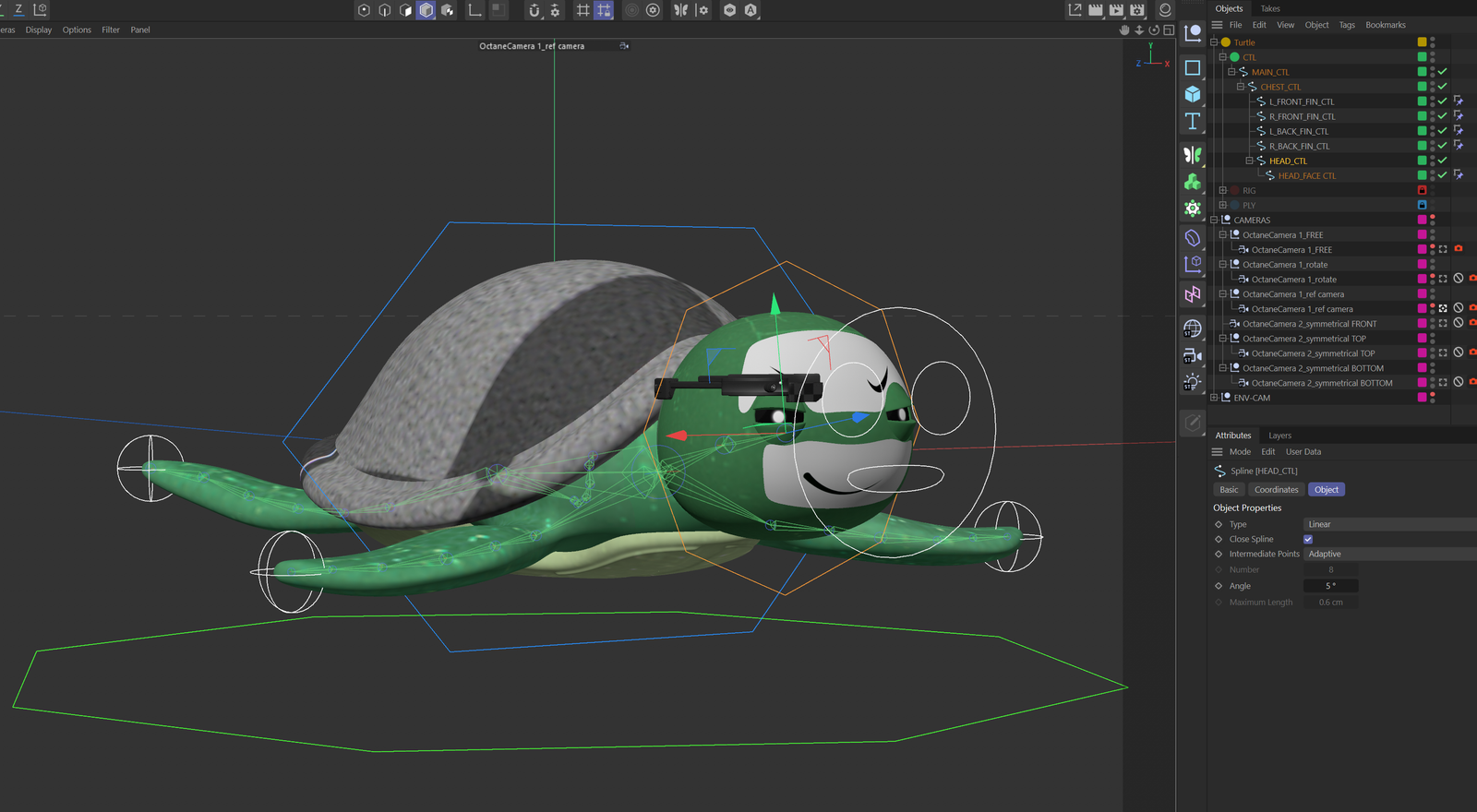
Each fin has its own dedicated controller, enabling independent motion while preserving symmetry and balance when needed.
Additional pose sliders were created for common movement states, such as forward, backward, up, down, and rotation, making it easy to achieve expressive poses without manual keyframing of multiple elements.
This setup ensures the mascot is easy to animate, quick to iterate on, and ready for both still renders and animation workflows, even for users without deep rigging experience.
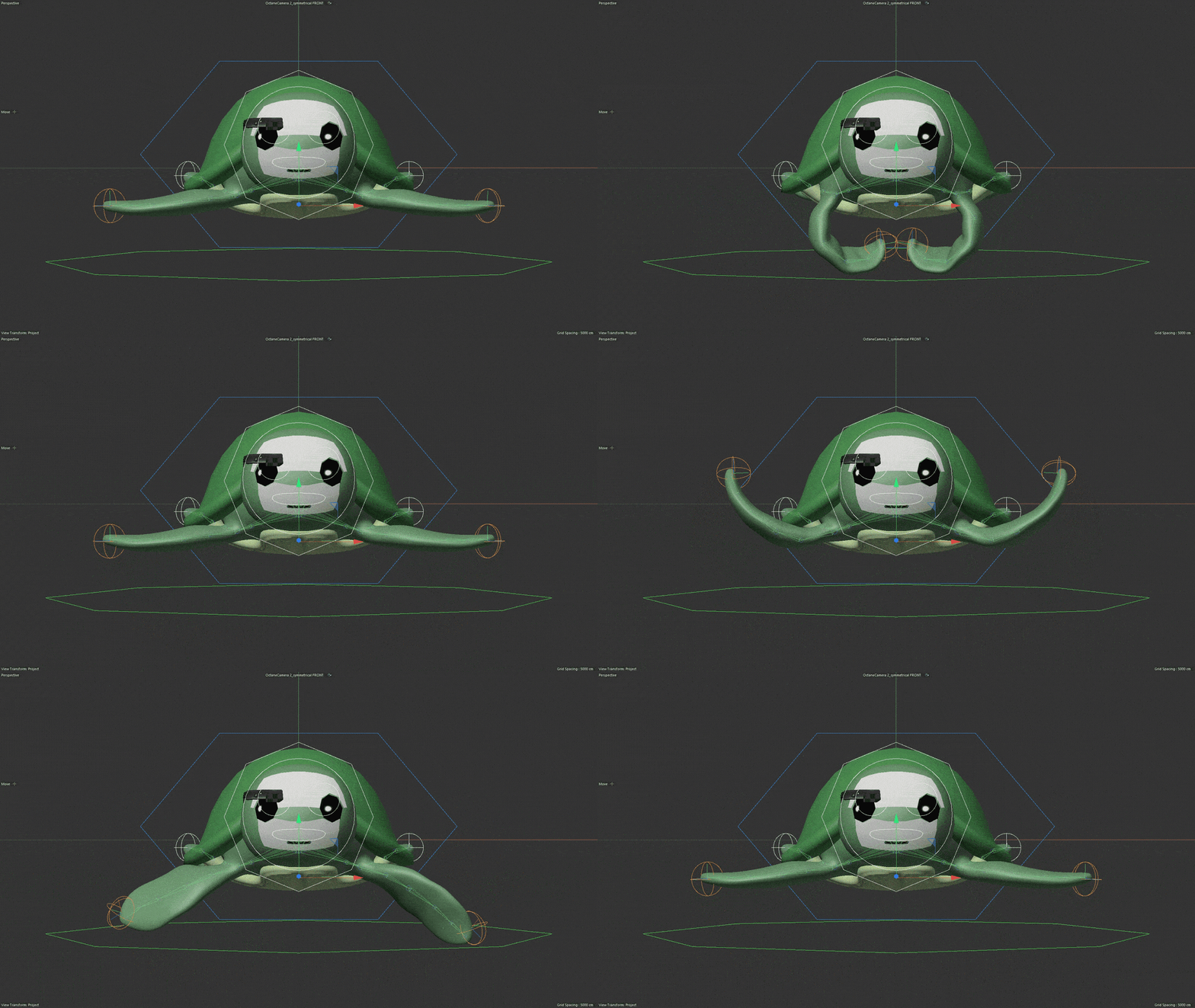
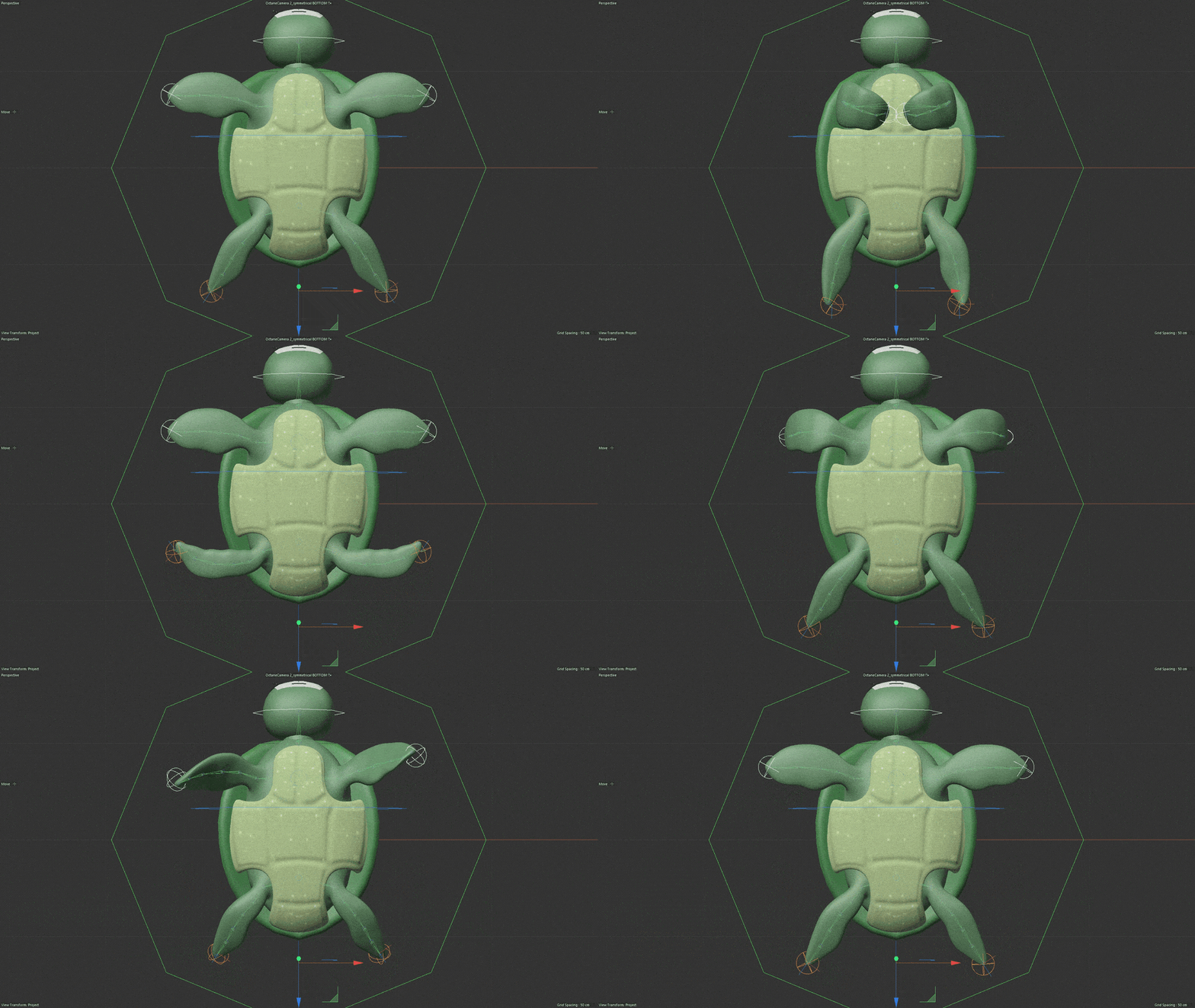
A lightweight control system was implemented to quickly adjust facial expressions and poses.
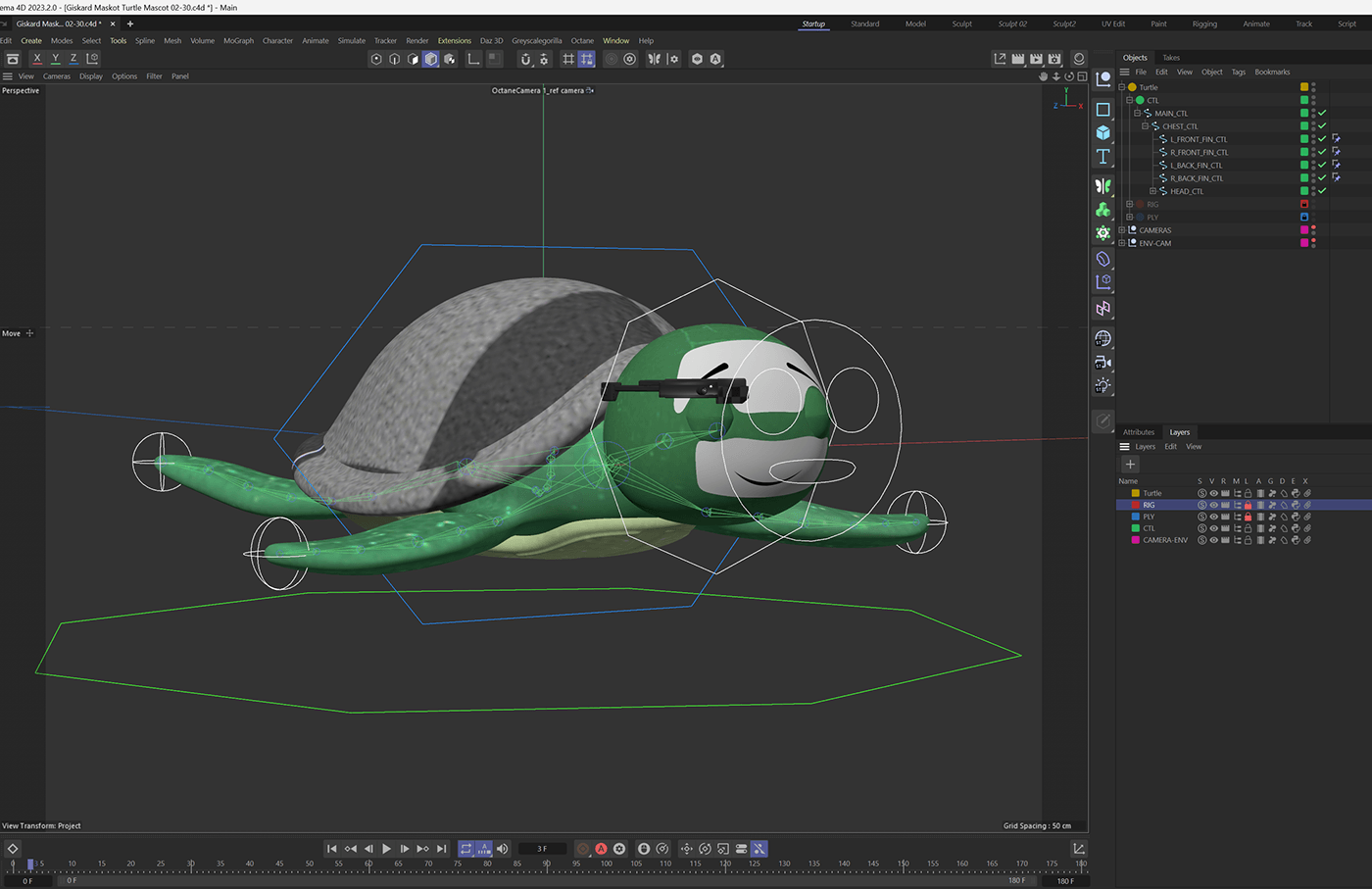
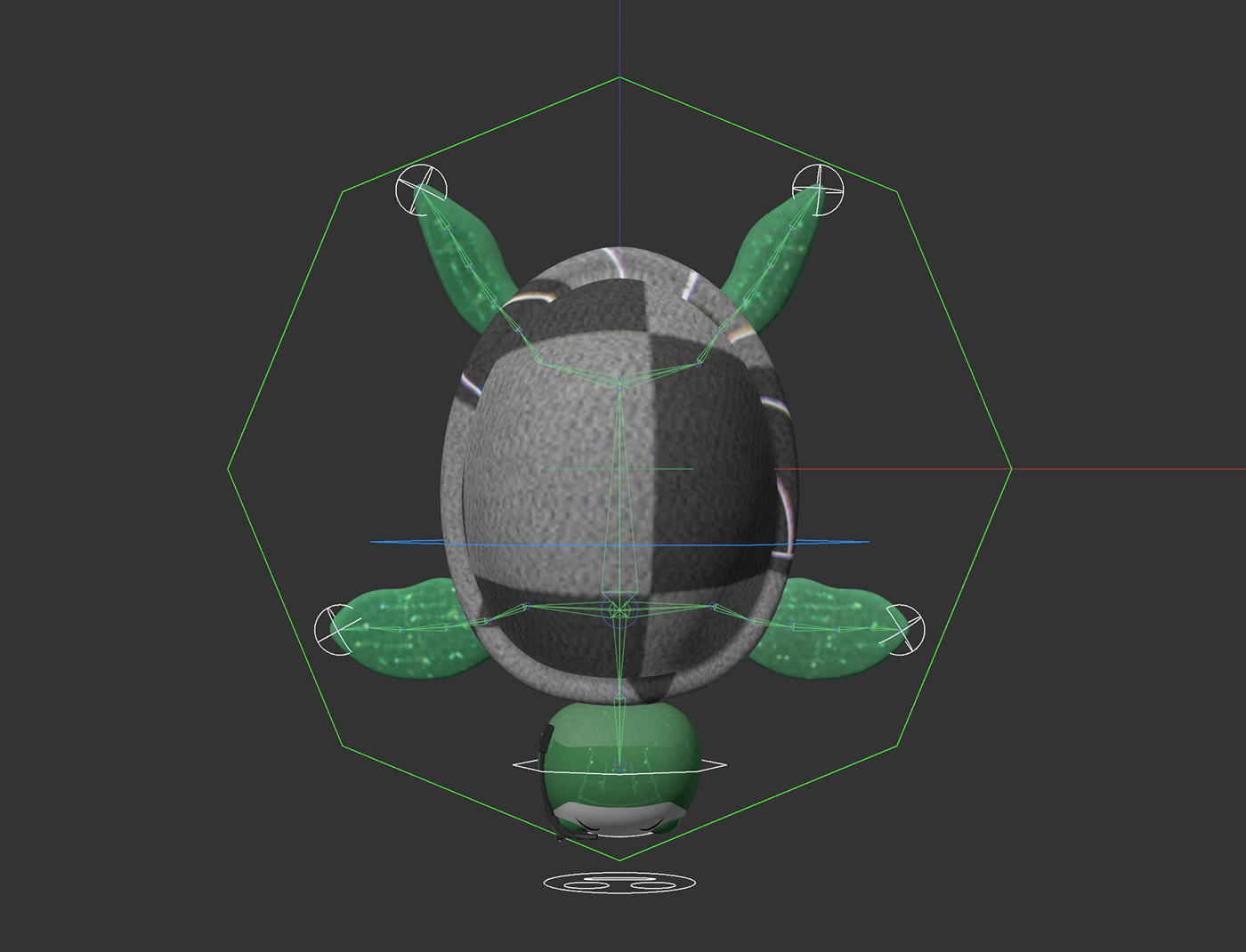
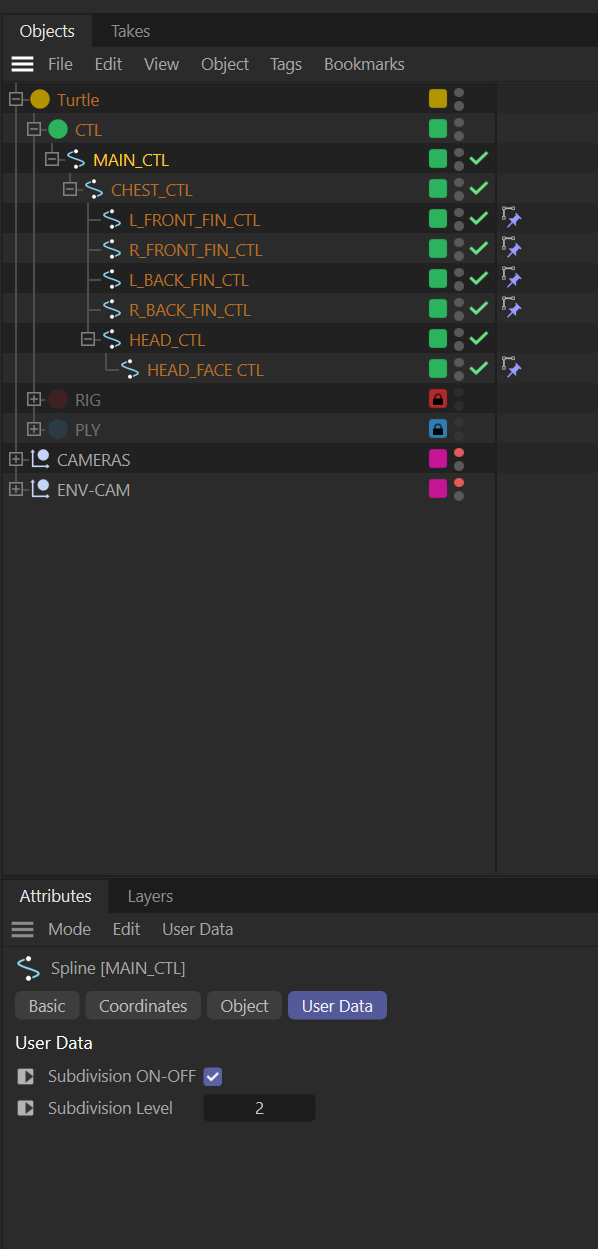
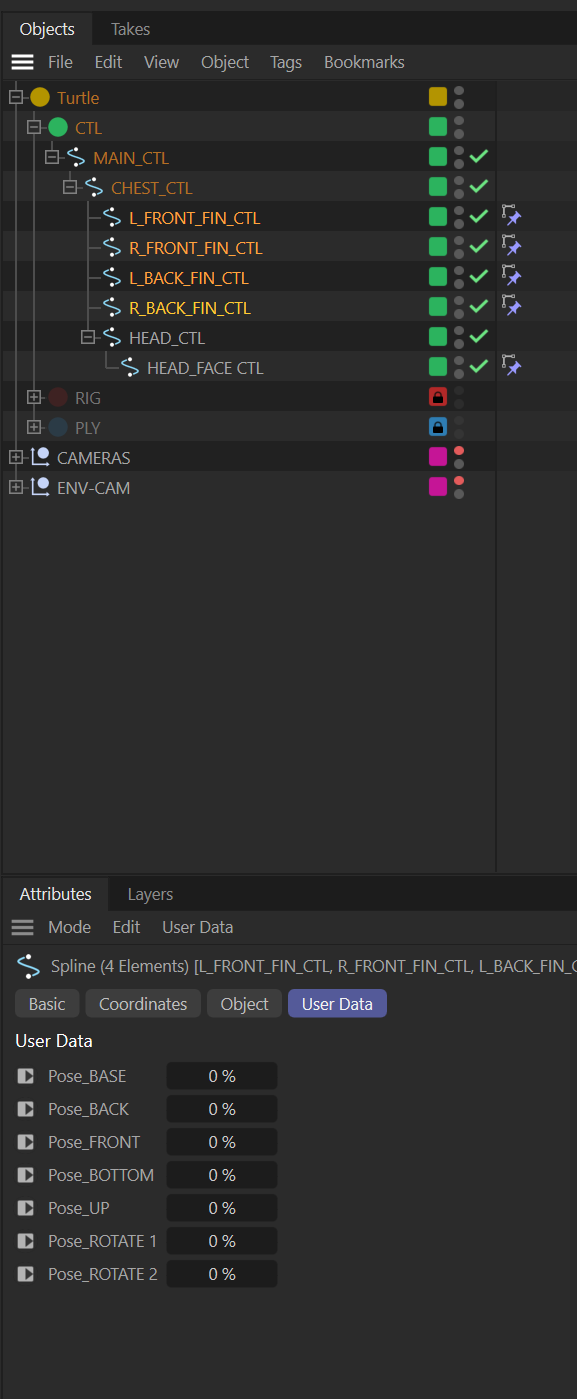
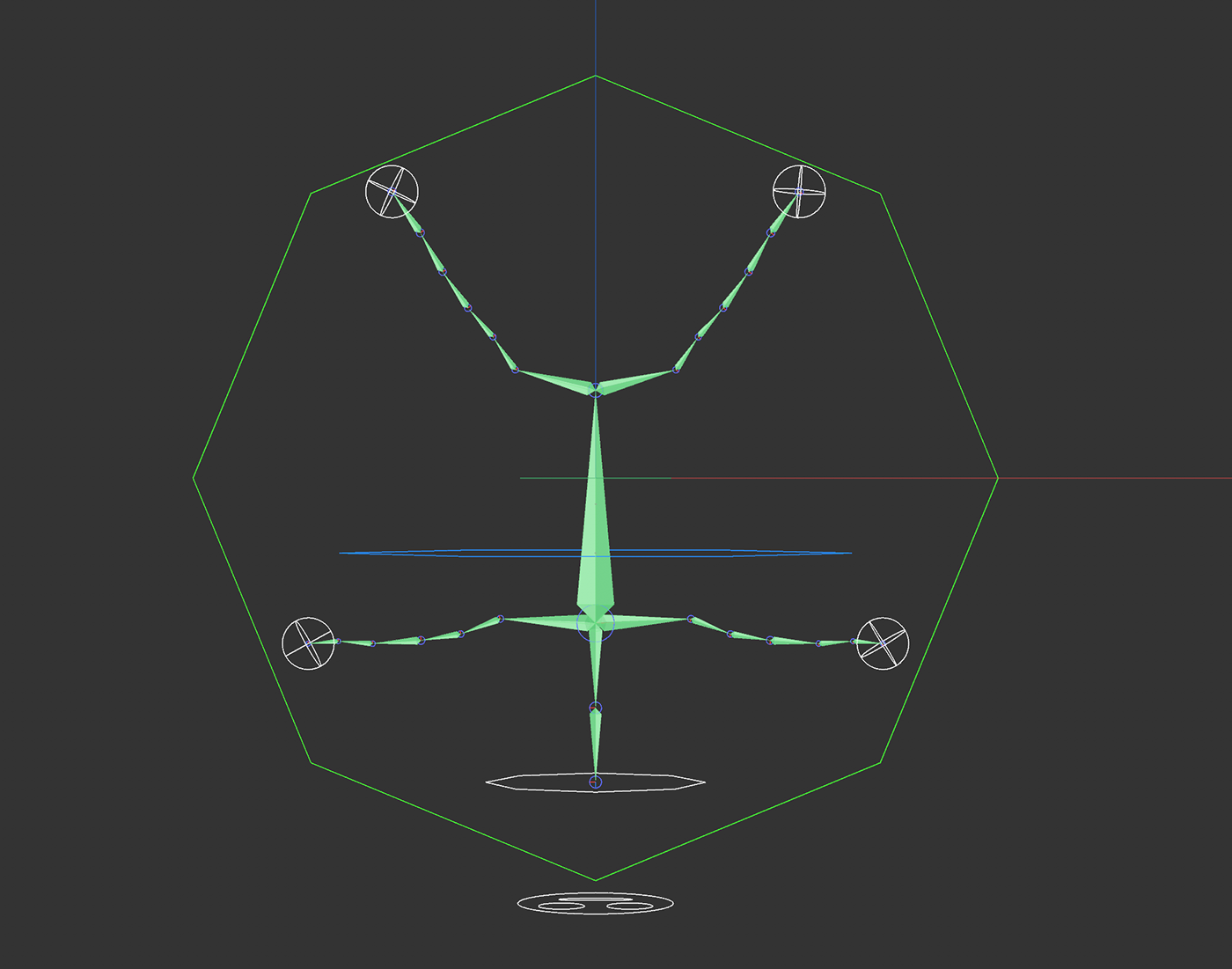
The rig was designed for ease of use rather than complex animation pipelines.
Final Renders
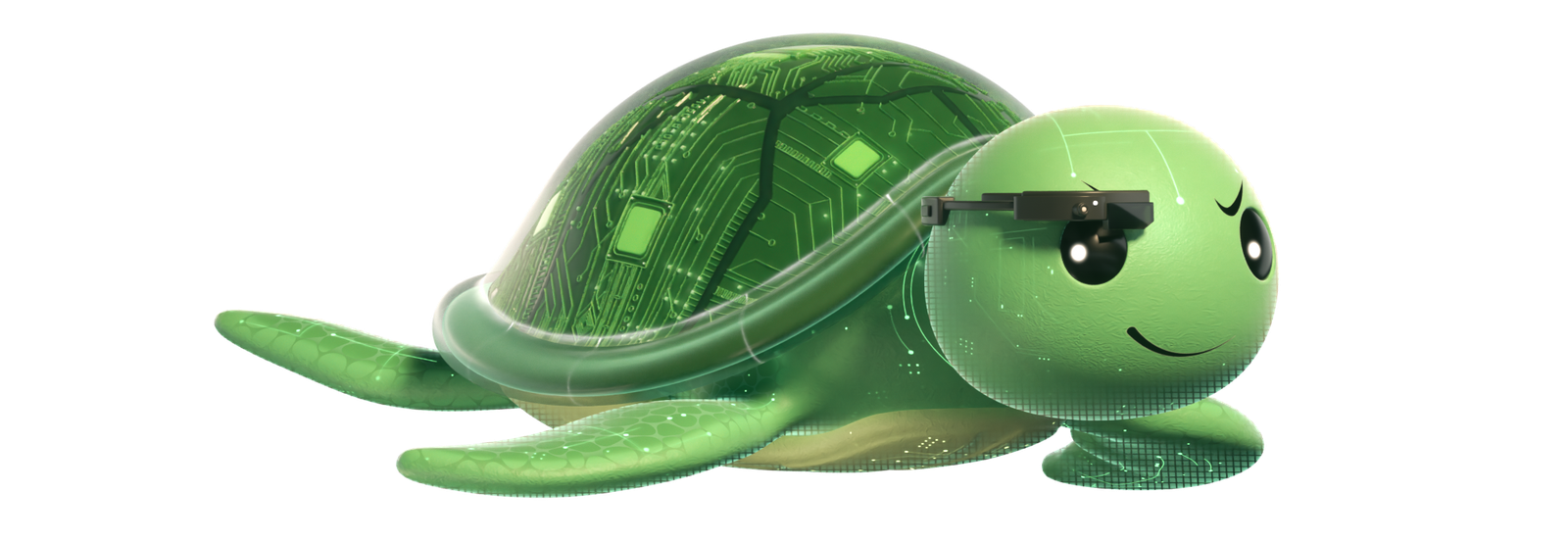
The final output includes high-quality renders, transparent assets, and multiple expression variants ready for production use.
Credits
Client: Giskard
Role: 3D Artist, Lookdev, Rigging
Tools: Cinema 4D, Octane Render, ZBrush, Gemini, Nano Banana, ChatGPT, Tripo3d, JSplacement, Abode Photoshop, After Effects
Thanks for watching! I would be grateful for your Like and Comment!